NEIMAN MARCUS AND BERGDORF GOODMan
InCircle Loyalty Digital Infrastructure
I led the end-to-end UX/UI architecture of the multi-brand digital loyalty infrastructure across responsive web and iOS/Android apps, accelerating signup velocity and maximizing reward utilization across two premier luxury portfolios.
Role
Senior Manager, Product Design
Focus
Strategic Leadership, Digital Infrastructure, Customer Retention
Timeline
2024
Team
Product Management, Engineering, Content Strategy, Loyalty, Brand/Creative, Internal Senior Leadership
The Challenge
Unifying Loyalty Across a Fragmented Luxury Ecosystem
The core objective was to introduce a modernized, elegant digital experience to the complex, credit-tied InCircle loyalty program spanning two legendary luxury portfolios: Neiman Marcus and Bergdorf Goodman. Historically, the rewards system operated through fragmented, paper-heavy legacy frameworks. High-net-worth customers received physical statements in the mail, making tracking points, perks, and tier changes incredibly difficult and non-intuitive.
We needed to transform this intricate system into a seamless, high-value digital journey. The challenge was twofold. The experience had to feel deeply personalized and visually native whether a customer was shopping on Neiman Marcus or Bergdorf Goodman, all while translating dense backend financial data into an effortless user experience.
The Approach
Cross-Functional Workshops & Systems Thinking
As Senior Manager of Product Design, I spearheaded the end-to-end design, research, and digital architecture of this multi-brand loyalty ecosystem. To align user-centered design with rigid banking logic, I established a deeply collaborative governance structure.
Co-Design Sprints & Multi-Brand Alignment
Cross-Functional Governance: I ran regular weekly alignment sessions and interactive feedback workshops that brought together leadership from both brands, the dedicated loyalty business unit, engineering teams, and individual brand creative teams.
Translating Dense Logic: These workshops allowed us to sit in the same room and collectively untangle complex credit-ledgering rules, transforming technical and legal requirements into clear design parameters.
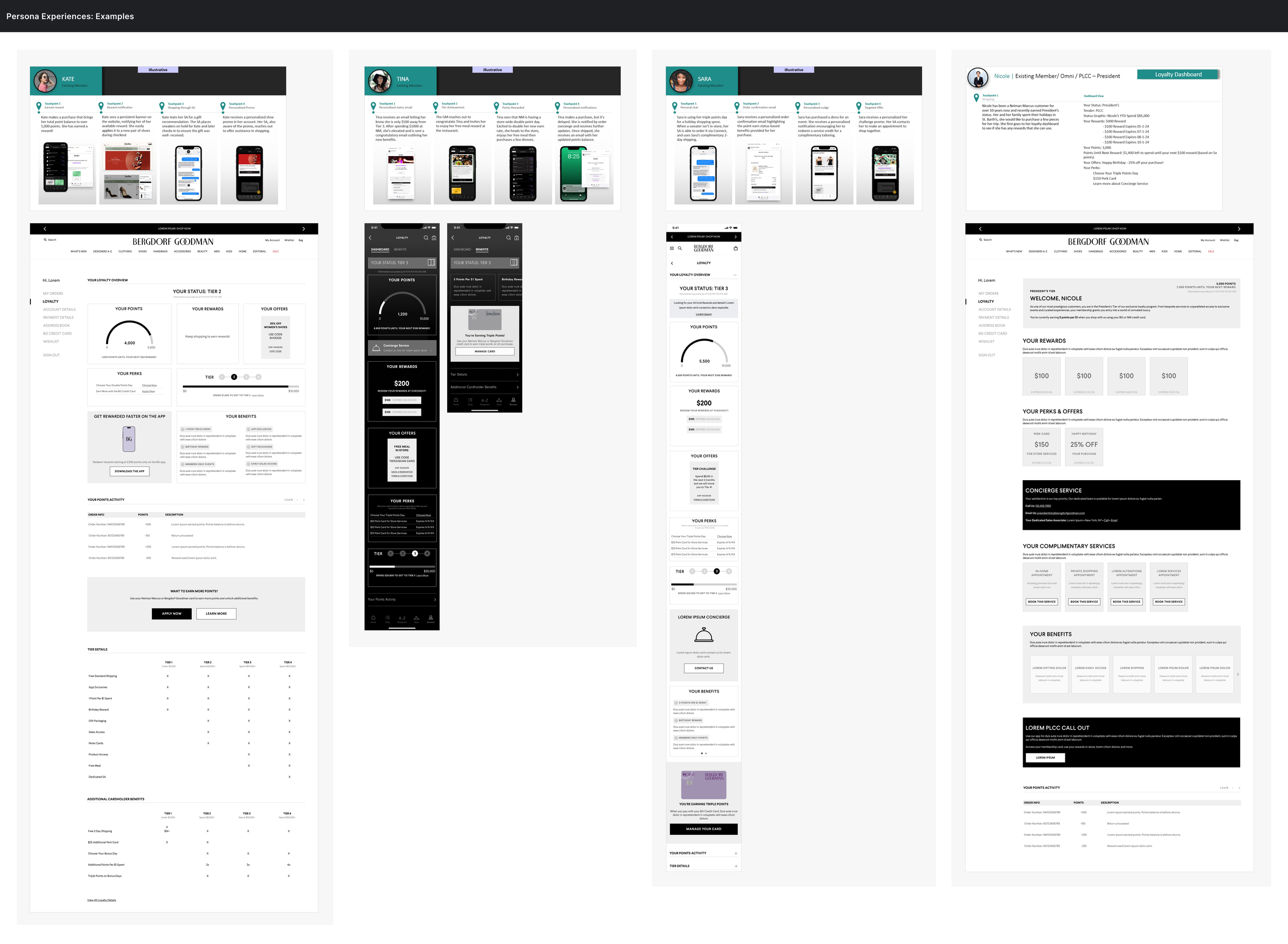
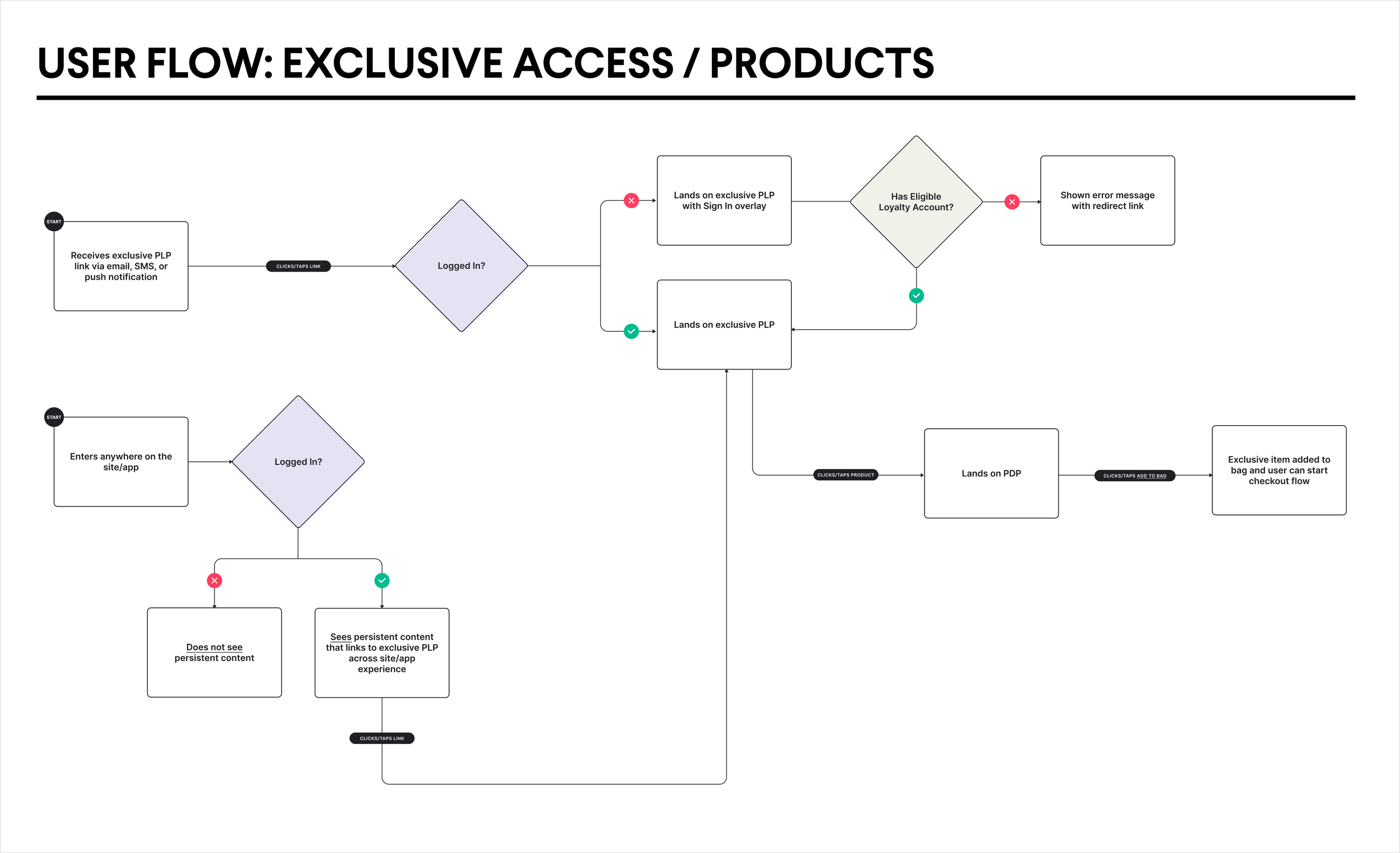
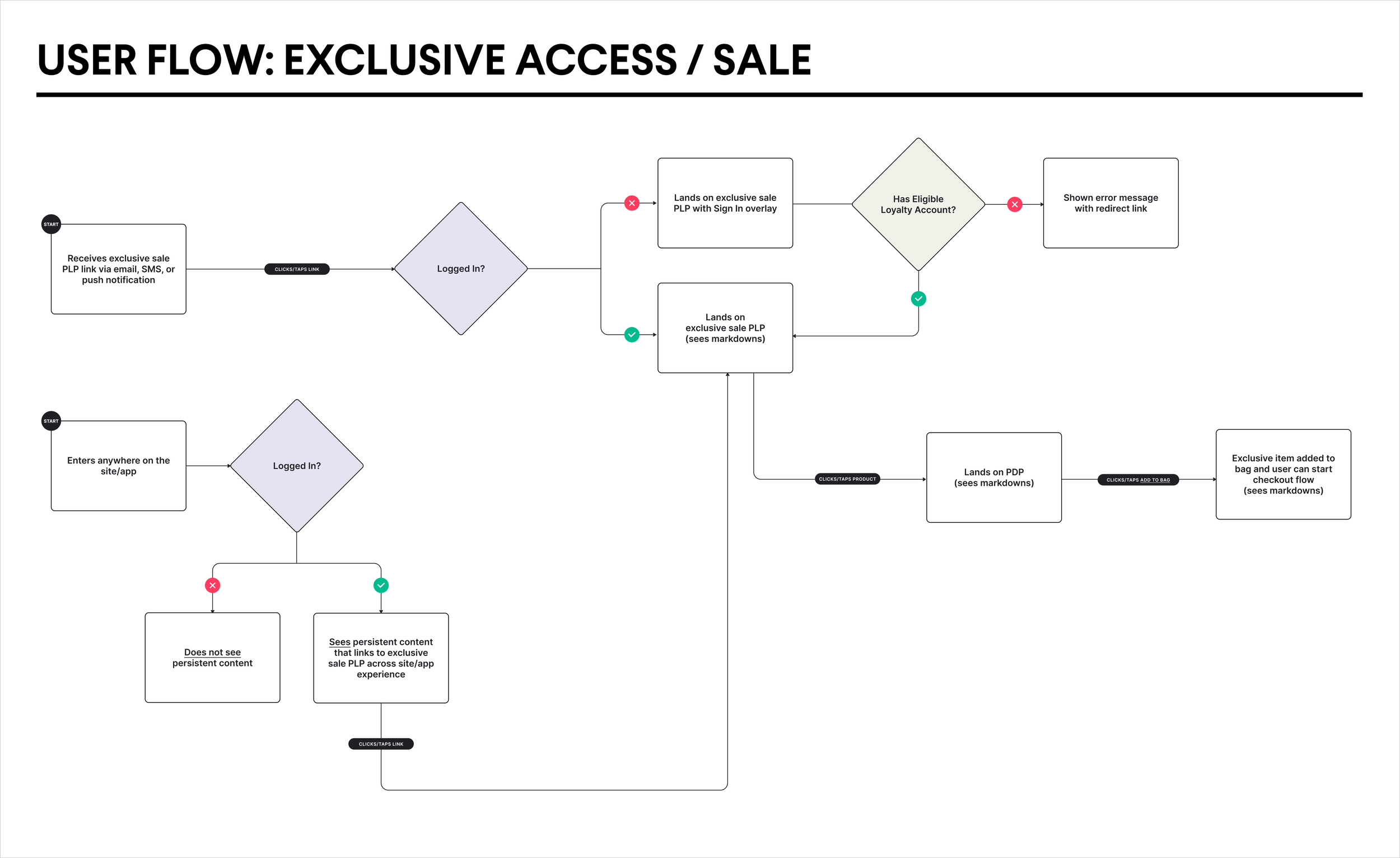
My Direct Contributions: As the sole design leader on this initiative, I personally executed the comprehensive competitive analysis, established the target personas, and mapped out every user journey, flow, and screen layout across responsive web and native app platforms for both brands.
UX Rigor
Mapping Lifecycles & Heuristics
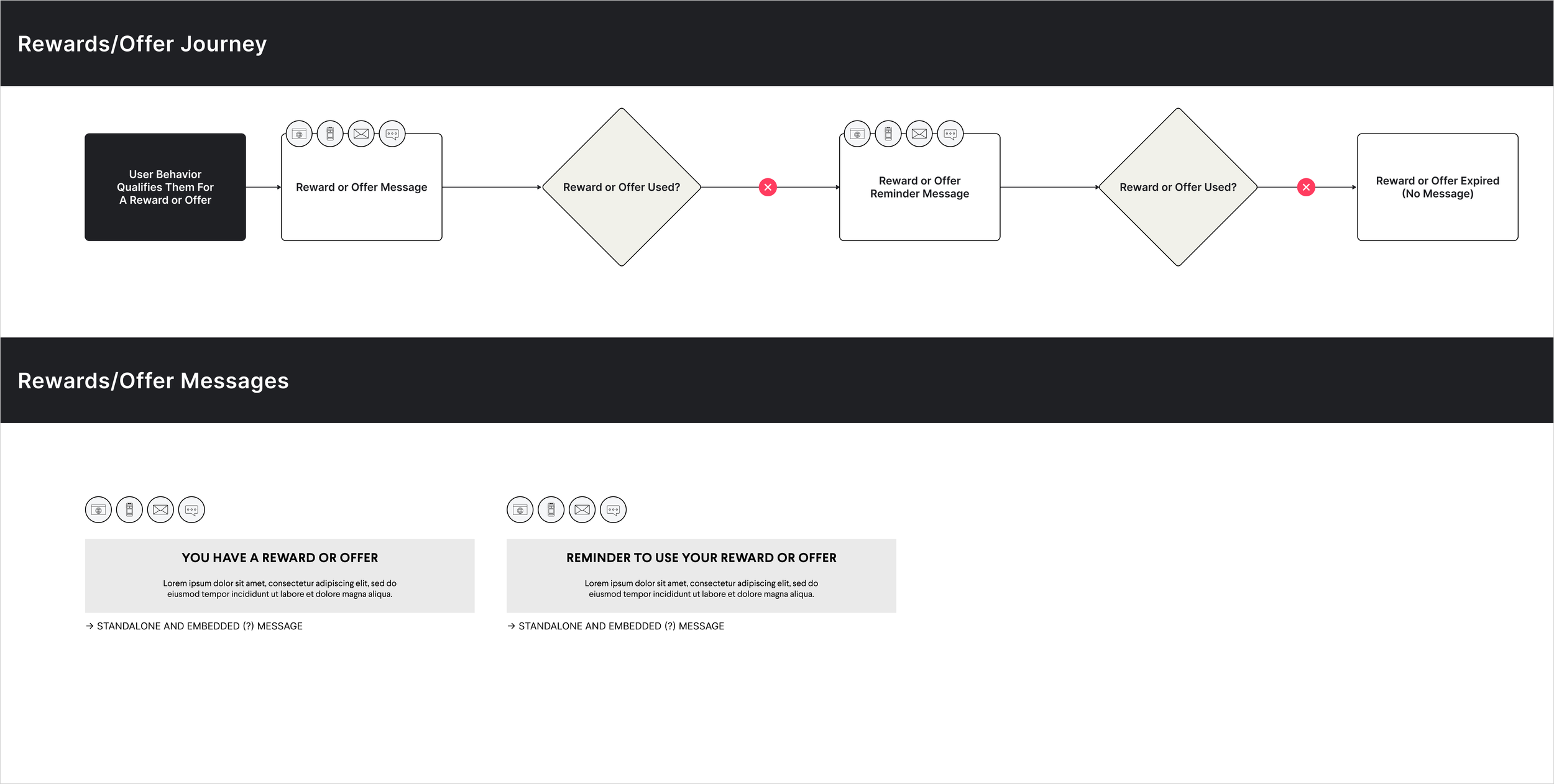
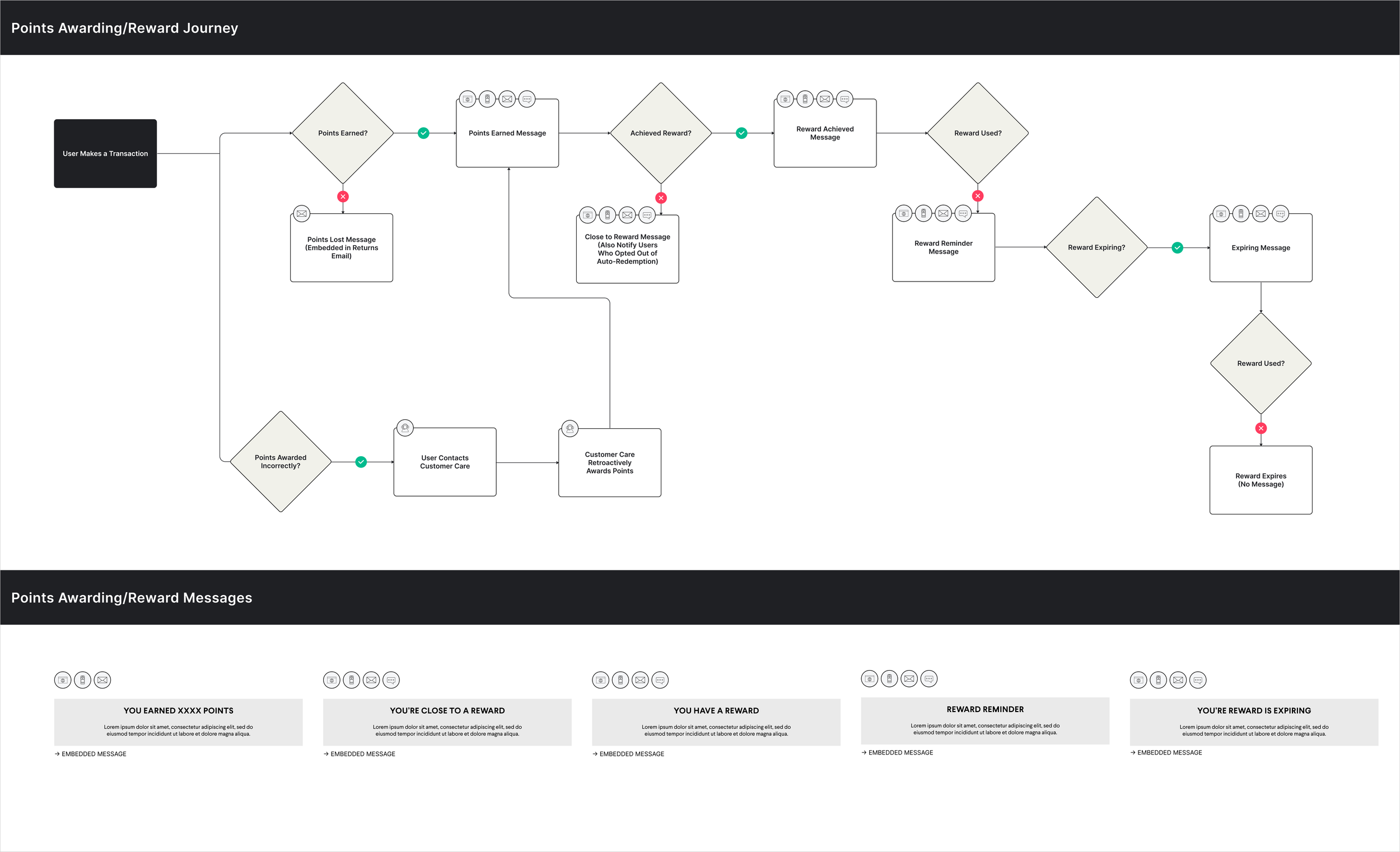
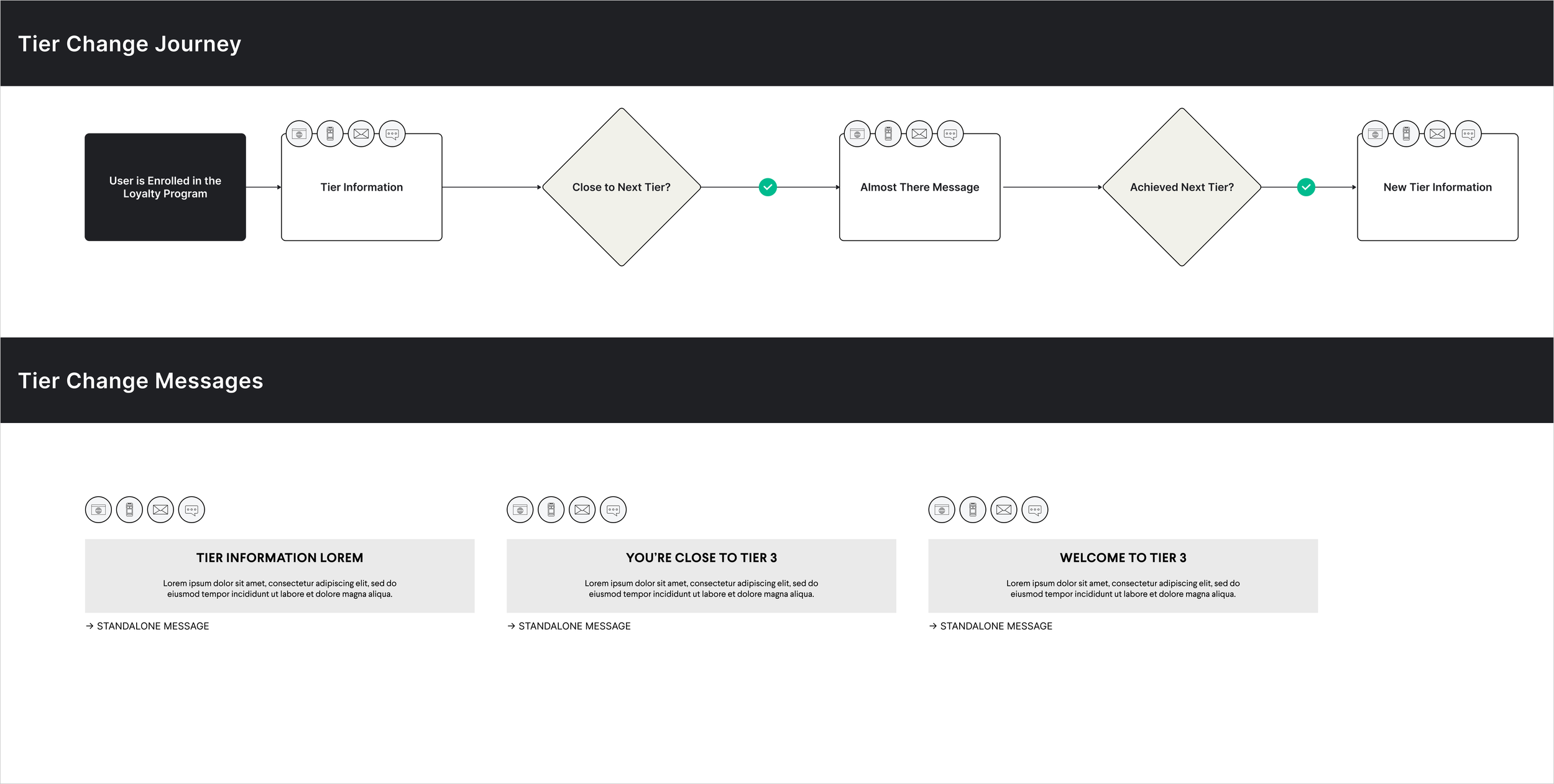
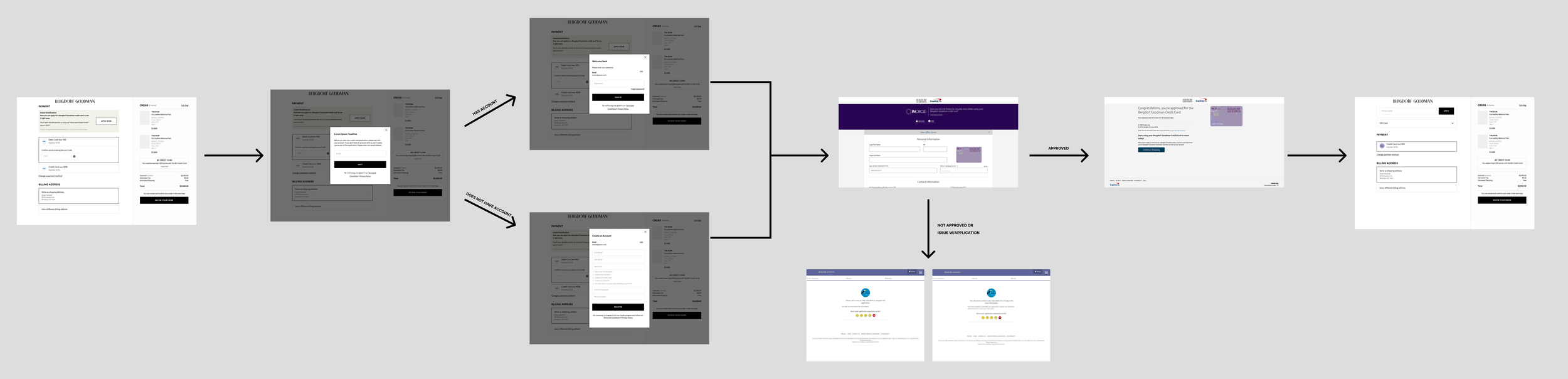
To shift the program from a passive background feature into an active engagement driver, I meticulously mapped out detailed user flows capturing the entire customer lifecycle. This included personalized pathways for initial onboarding, tracking real-time reward issuance, and managing dynamic tier changes when users unlocked higher status through increased spending.
Nielsen Norman Heuristic Alignment
Our digital architectural blueprints were anchored directly in Nielsen Norman usability principles, focusing heavily on two core pillars:
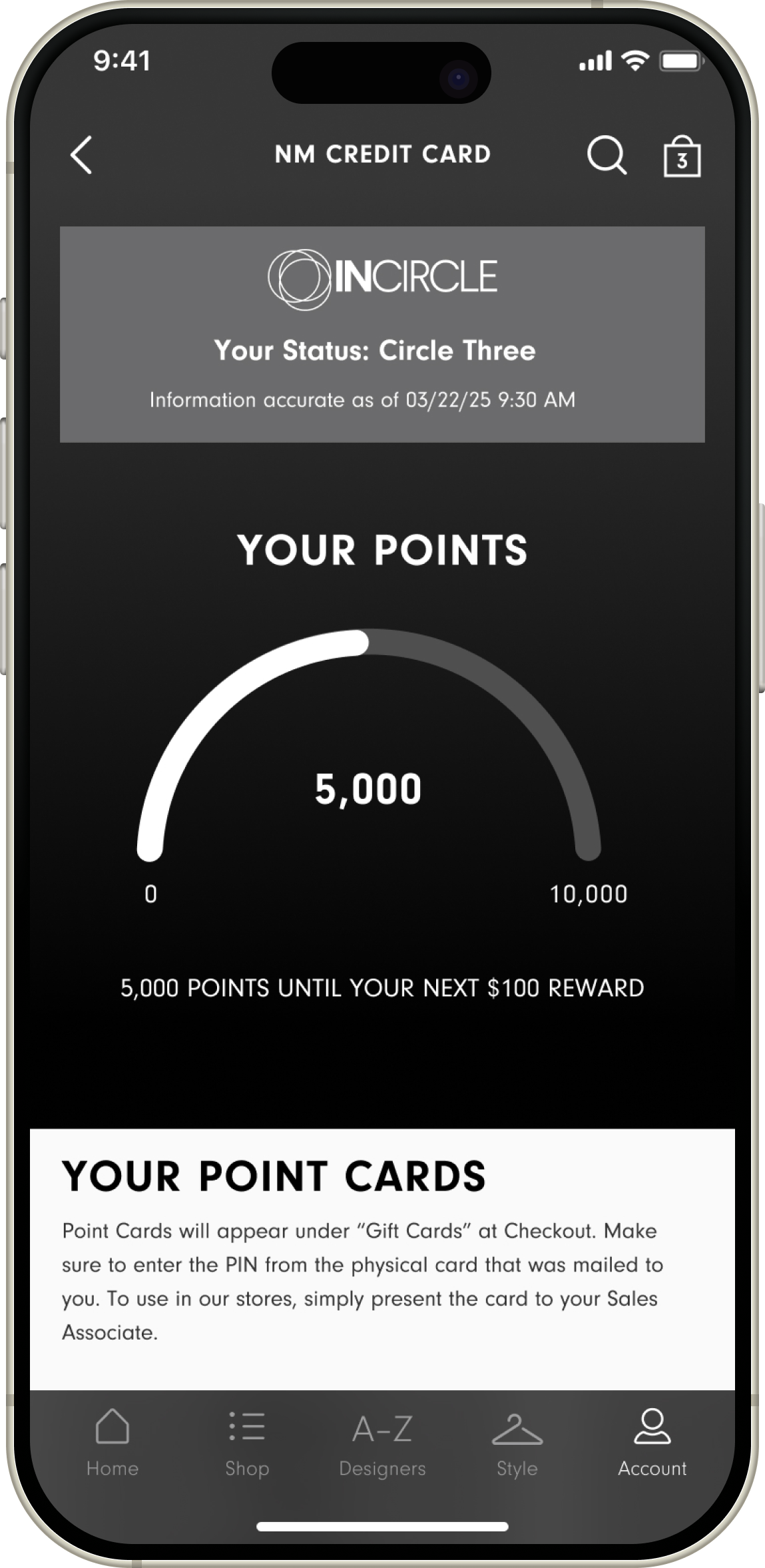
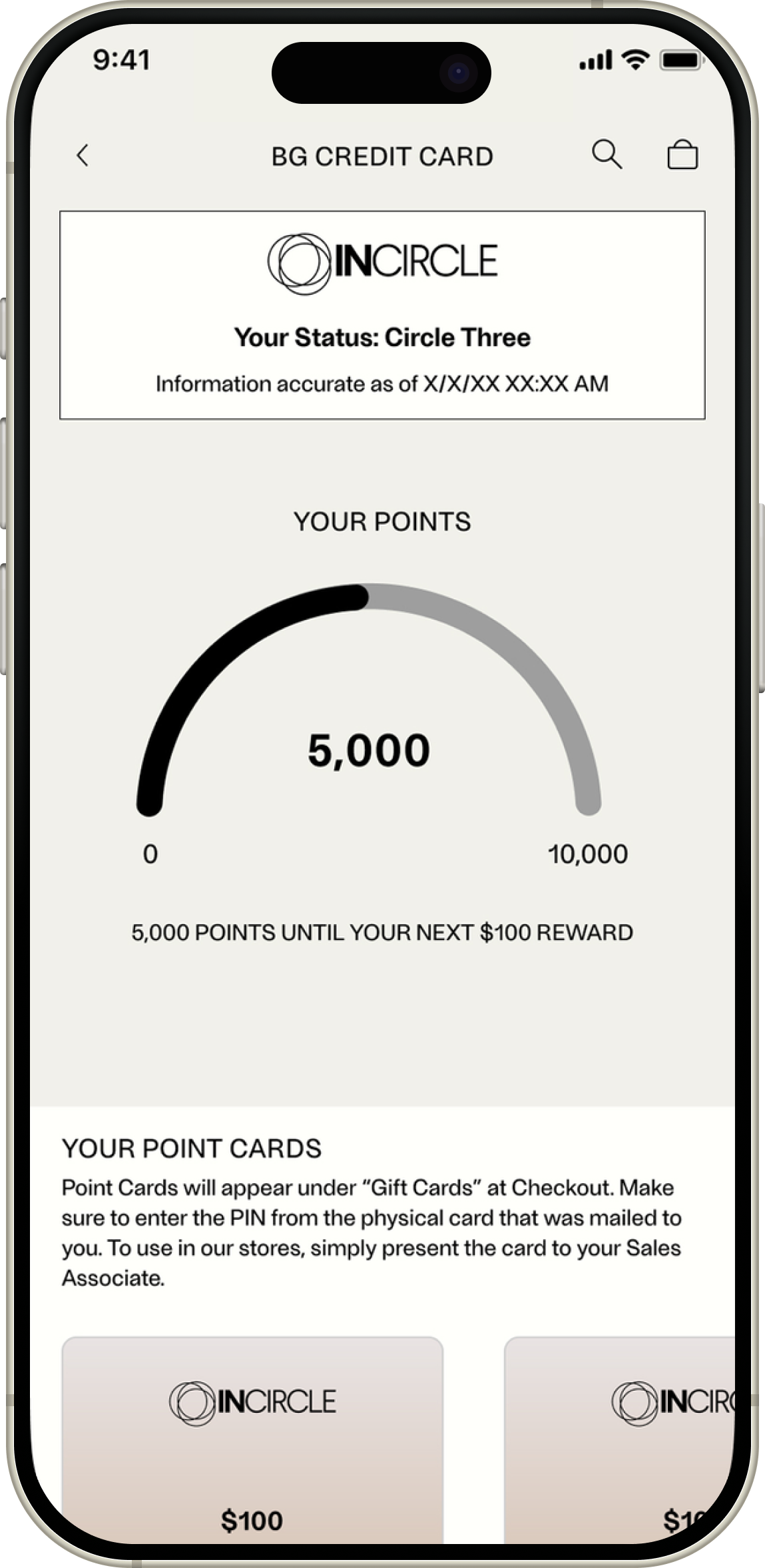
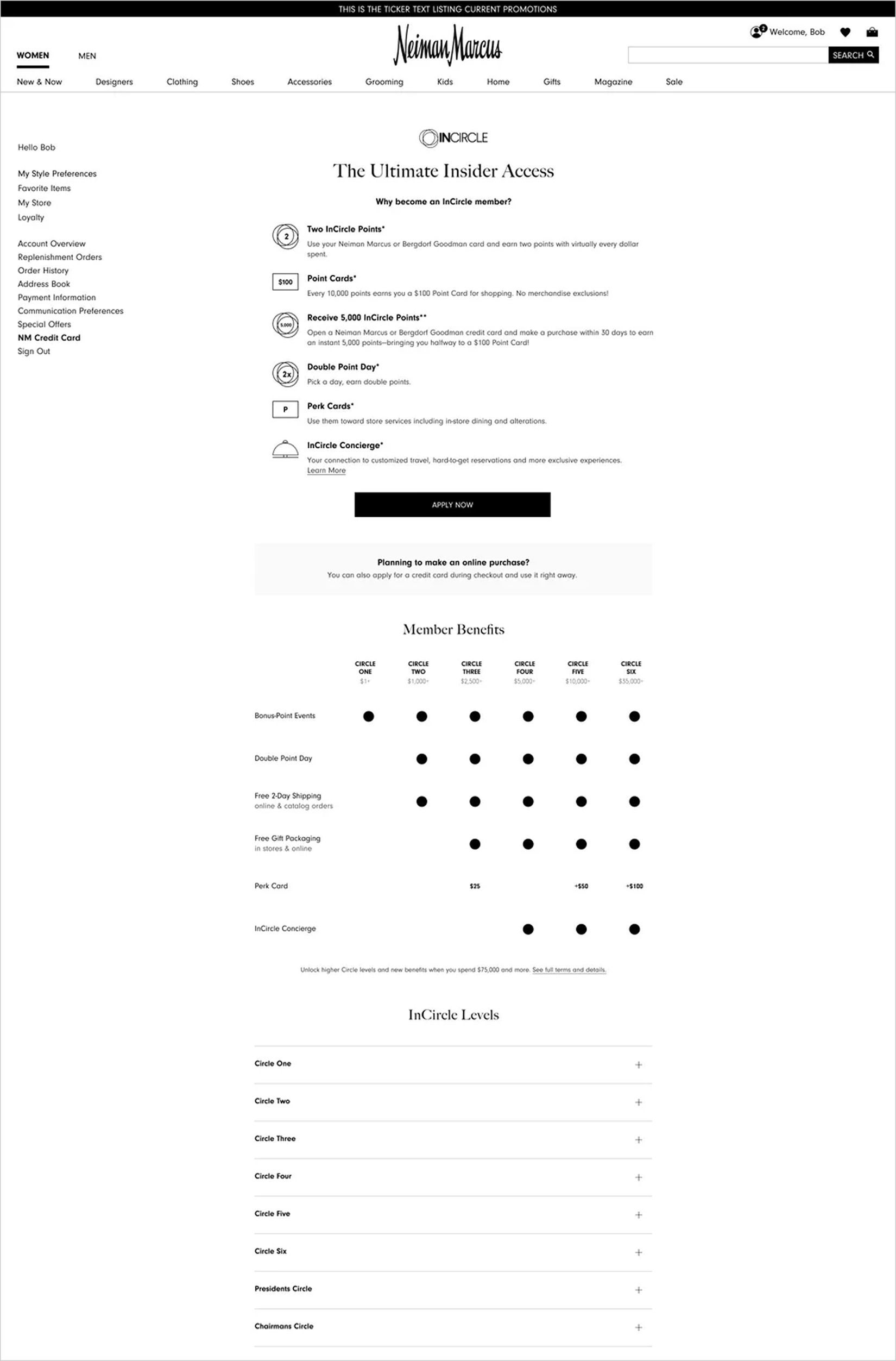
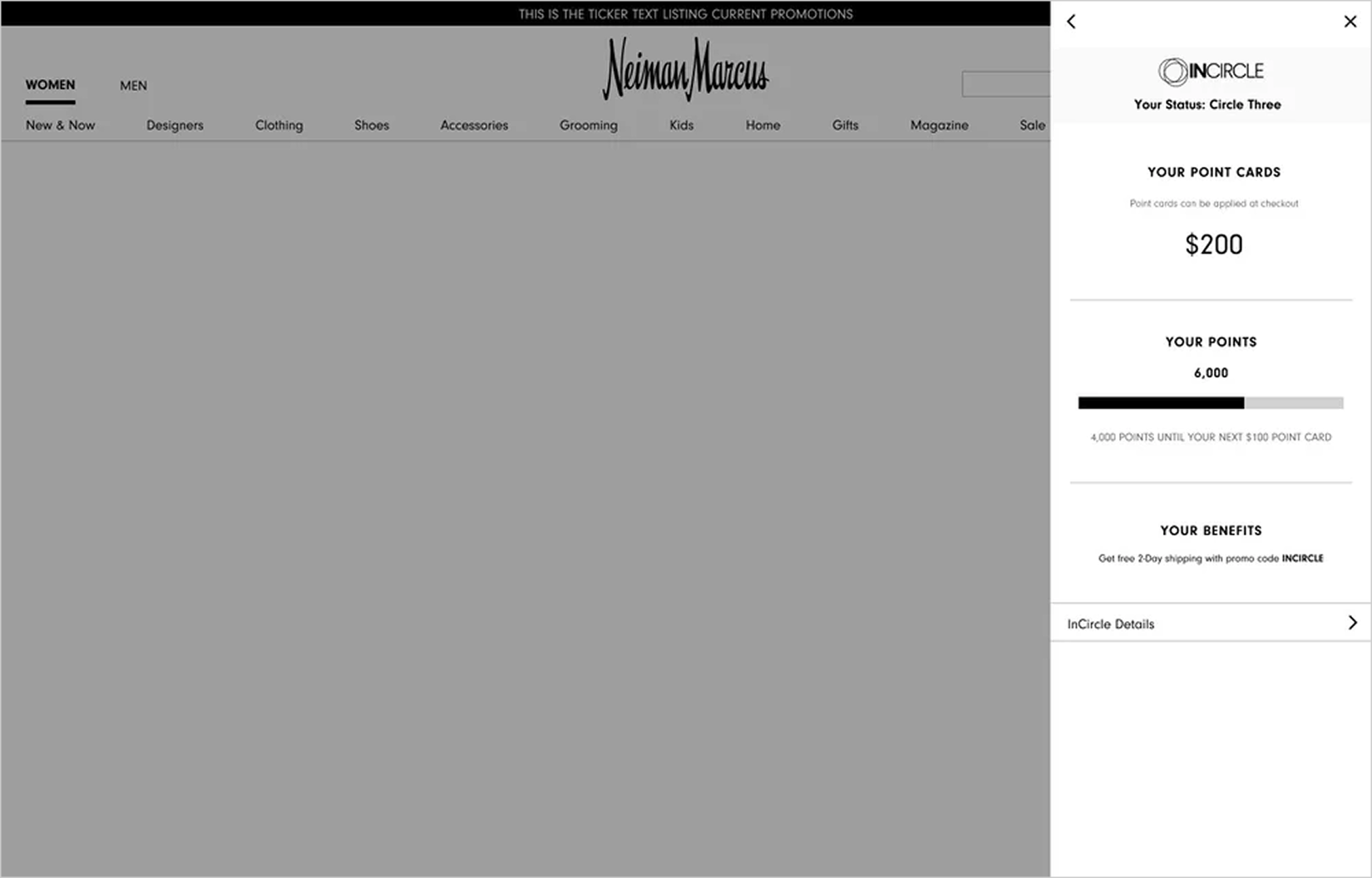
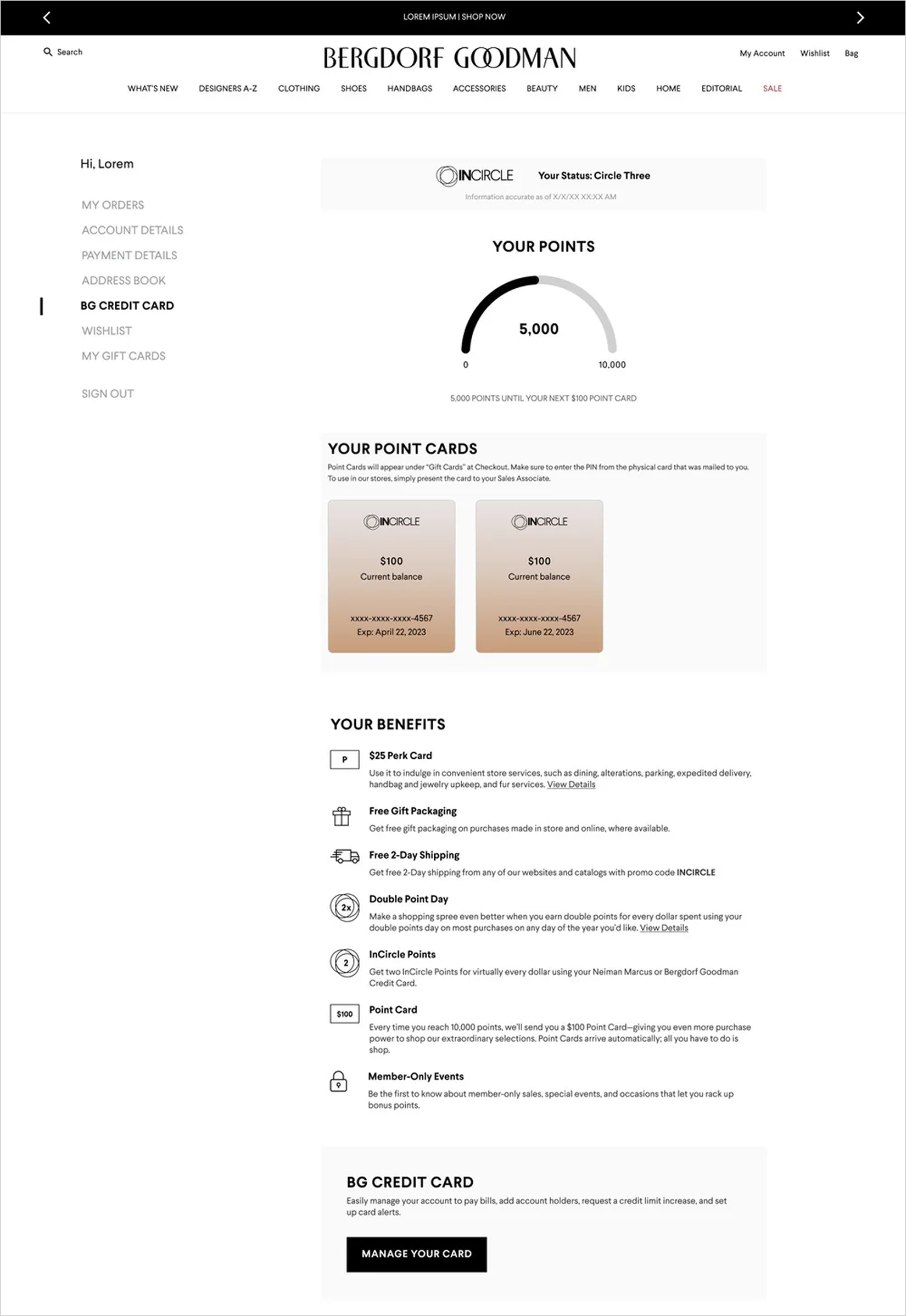
Visibility of System Status (Heuristic #1): We systematically eliminated the friction of paper statements by designing real-time, highly visible point trackers and status dashboards. Users always knew exactly where they stood in their loyalty lifecycle at any given moment.
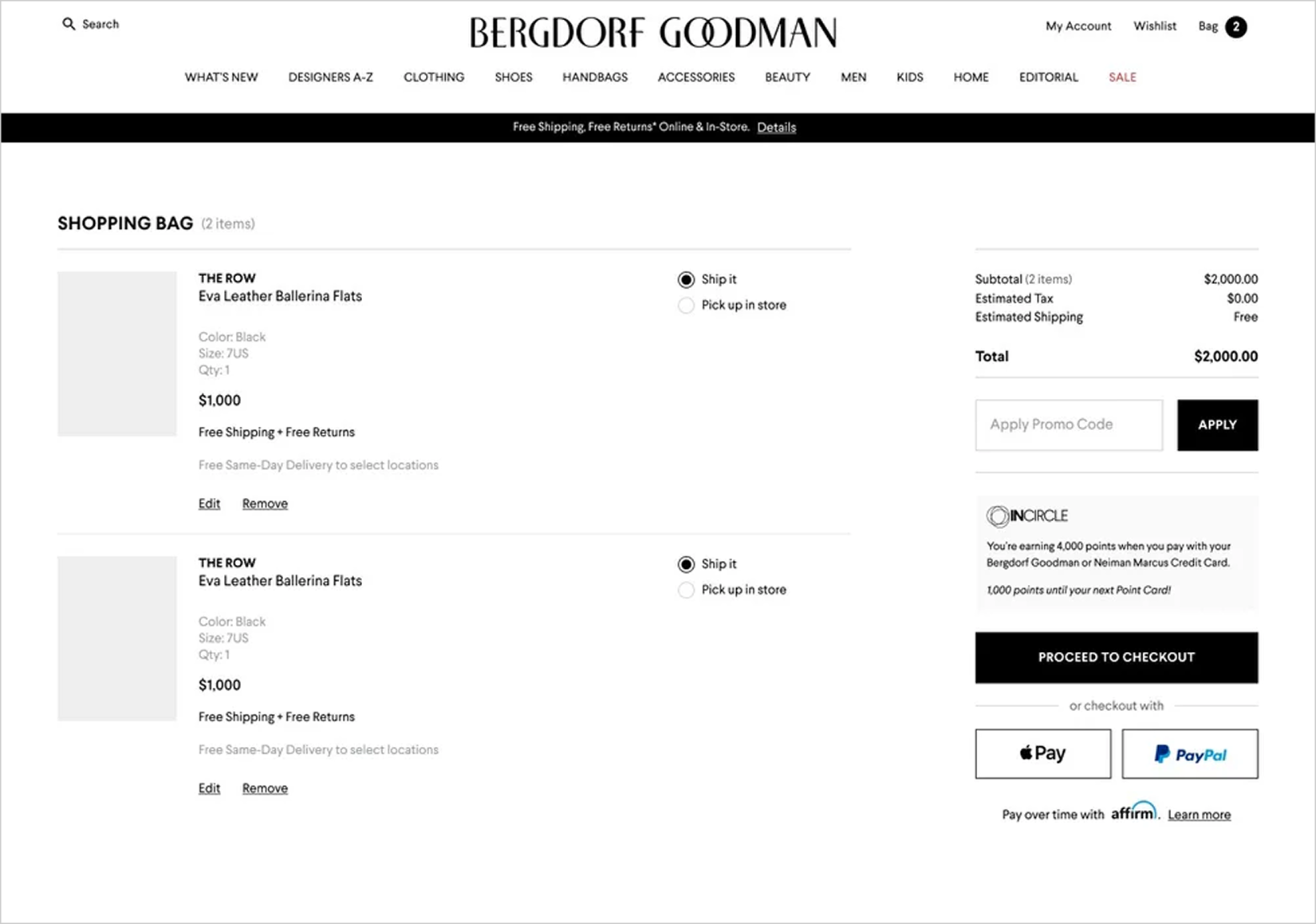
Recognition Rather than Recall (Heuristic #6): Instead of forcing customers to remember if they had a reward available or making them dig through envelopes, we integrated contextual, auto-applied reward modules directly inside the core shopping and checkout funnels.
The Ultimate Pivot Point
The Cardholder Pivot
The ultimate challenge of this project arrived when our team faced a massive strategic shift. We had spent months working diligently to design a comprehensive, multi-tender loyalty program that would be completely independent of an underlying credit card asset. However, due to sudden enterprise financial constraints, senior leadership delivered a high-stakes pivot point. We had to completely abandon the multi-tender framework and re-architect the entire program to exclusively address credit cardholders.
Instead of letting the team lose momentum, I immediately used our workshop framework to audit our progress. I separated our foundational UX architectures from the multi-tender data layers, allowing us to rapidly strip out the non-cardholder logic. By pivoting quickly, I refocused our efforts on abstracting away the complex legal, security, and banking barriers inherent to a credit-tied asset. We successfully re-engineered the flows to maximize trust, making credit application and point utility feel like an exclusive luxury benefit rather than a rigid financial transaction.
Impact & Results
“I can honestly say that all of the perks and benefits that come with being an InCircle member add so much value to my shopping experiences”
Turned dense backend logic into an emotional customer connection and a sense of belonging.
+15%
In-Funnel Reward Redemption driven by real-time point tracking.
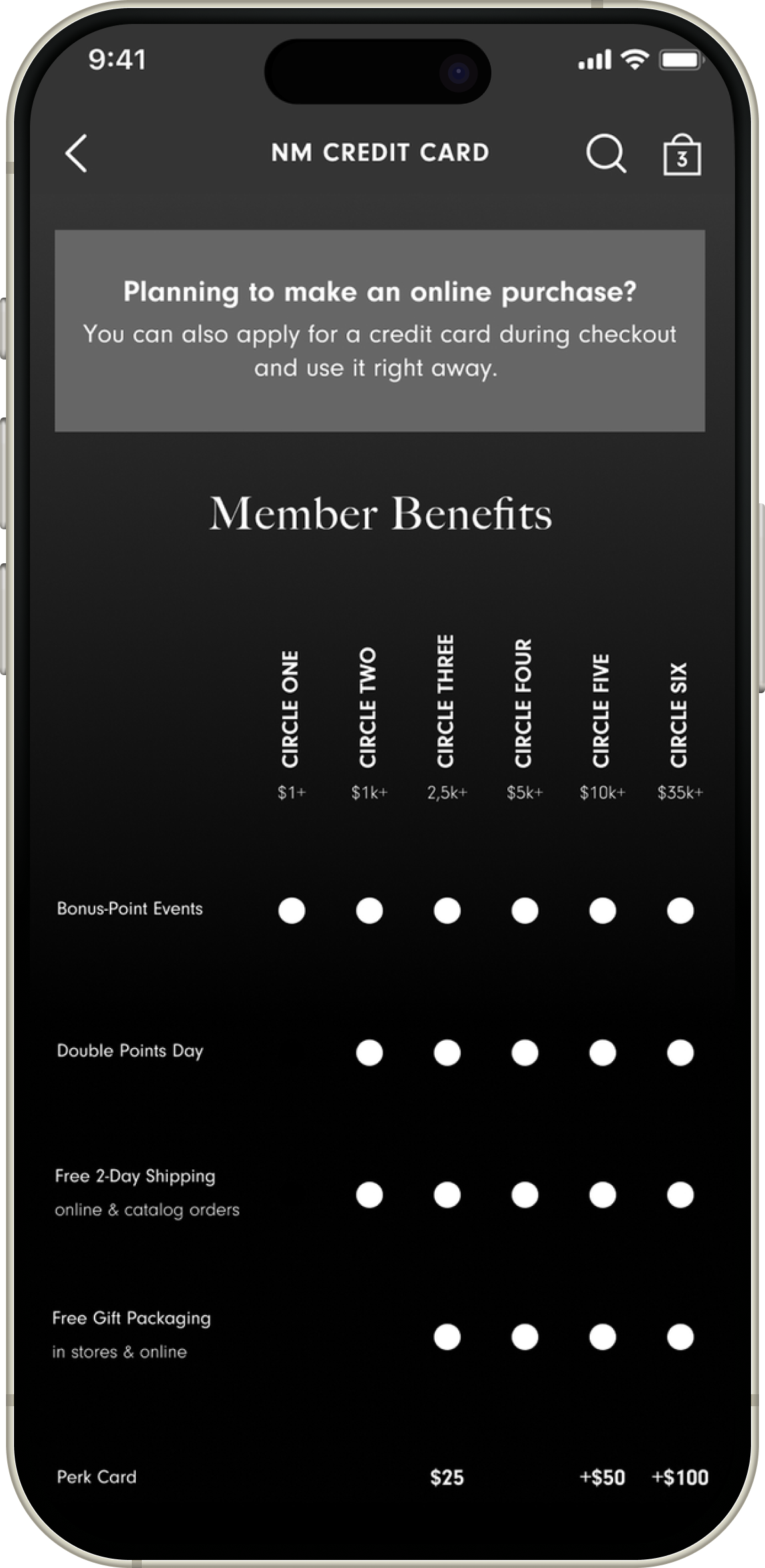
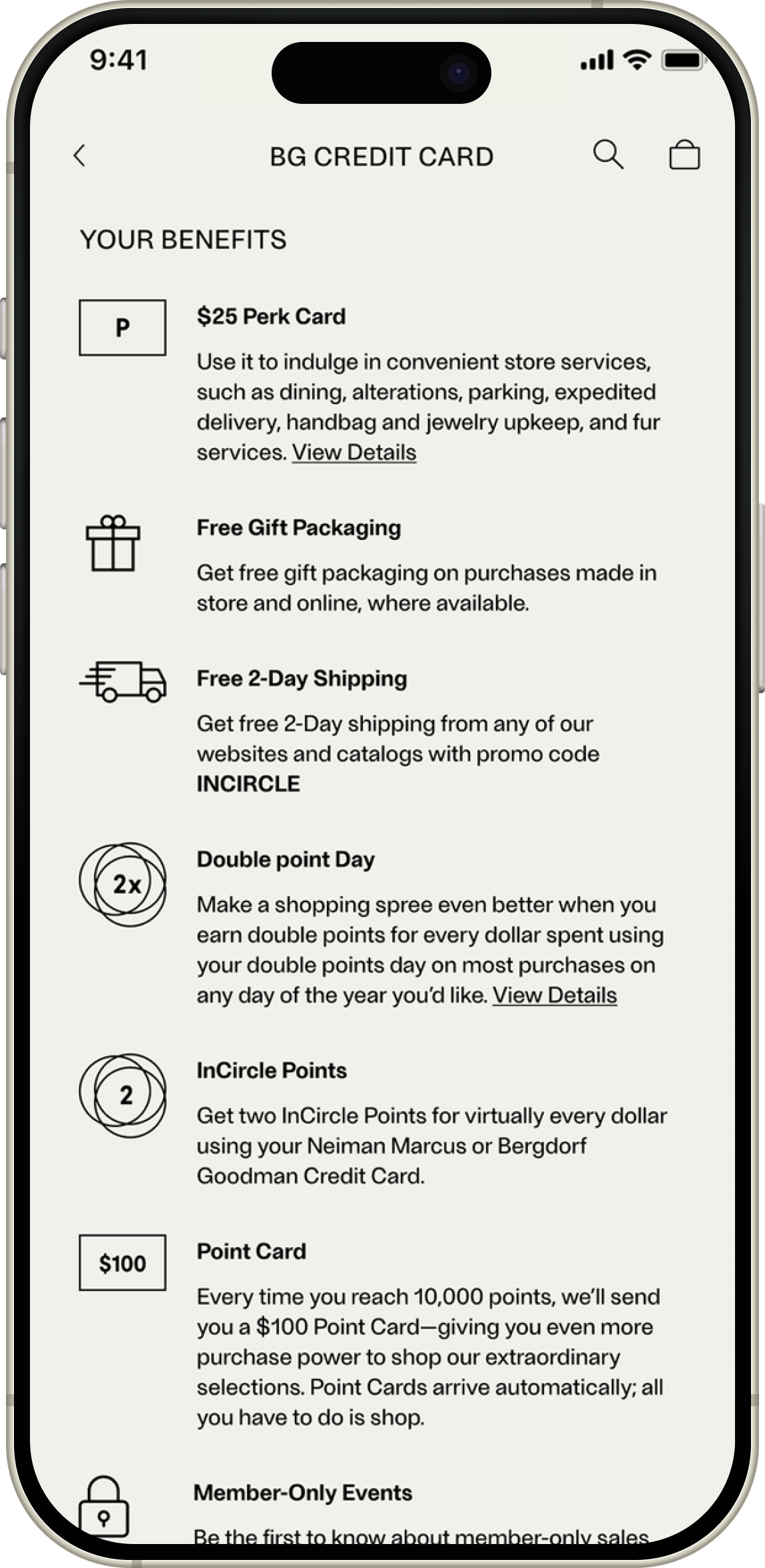
By translating a complex financial backend into an intuitive multi-brand design system, we successfully unified the digital experience across both premier portfolios while fully preserving each brand's unique visual identity.
2X Accelerated Digital Sign-Ups: Successfully drove a twofold increase in digital loyalty enrollment by replacing friction-filled legacy paper onboarding with an intuitive, native digital setup flow.
+15% Boosted Reward Utilization: Maximized the business value of the program by integrating real-time reward visibility inside the purchase funnel, directly leading to a fifteen percent lift in overall reward redemption rates.
Minimized Engineering Redundancy: Designed a highly scalable component framework that shared underlying technical infrastructure, allowing developers to deploy the experience across both brand portfolios without writing duplicative code.
End-to-End Visual Artifacts: Delivered a definitive suite of cross-platform user journeys, responsive web designs, app screens, and interactive prototypes that now serve as the long-term blueprint for enterprise customer retention.