NEIMAN MARCUS AND BERGDORF GOODMan
Balancing Space and Intent on the Mobile PDP
To reclaim precious mobile real estate being swallowed by oversized headers, I directed a data-driven overhaul of the mobile web product detail pages for both brands. Our live A/B tests validated the new layout, driving up to a +1.0% lift in conversion.
Role
Senior Manager, Product Design
Focus
Strategic Leadership, UX Strategy and Analysis, Data-Driven Design
Timeline
4 Weeks
Team
Product Management, Engineering, Brand/Creative, Internal Senior Leadership
The Challenge
High-Stakes Mobile Real Estate
Neiman Marcus and Bergdorf Goodman needed a high-performance mobile web Product Detail Page (PDP) framework that matched their legendary reputations for luxury while actively overcoming critical performance hurdles, including high bounce rates and stagnant conversion metrics.
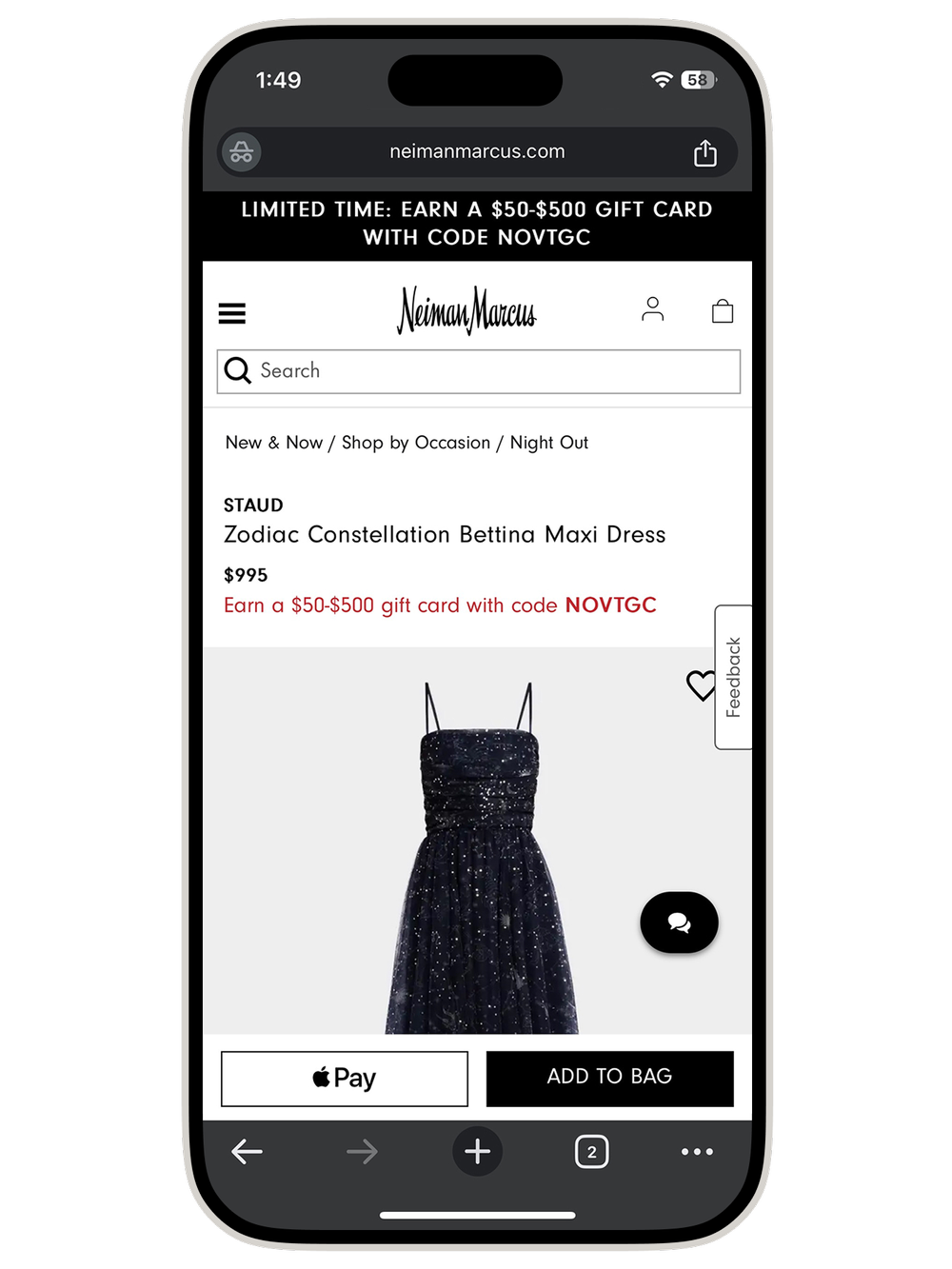
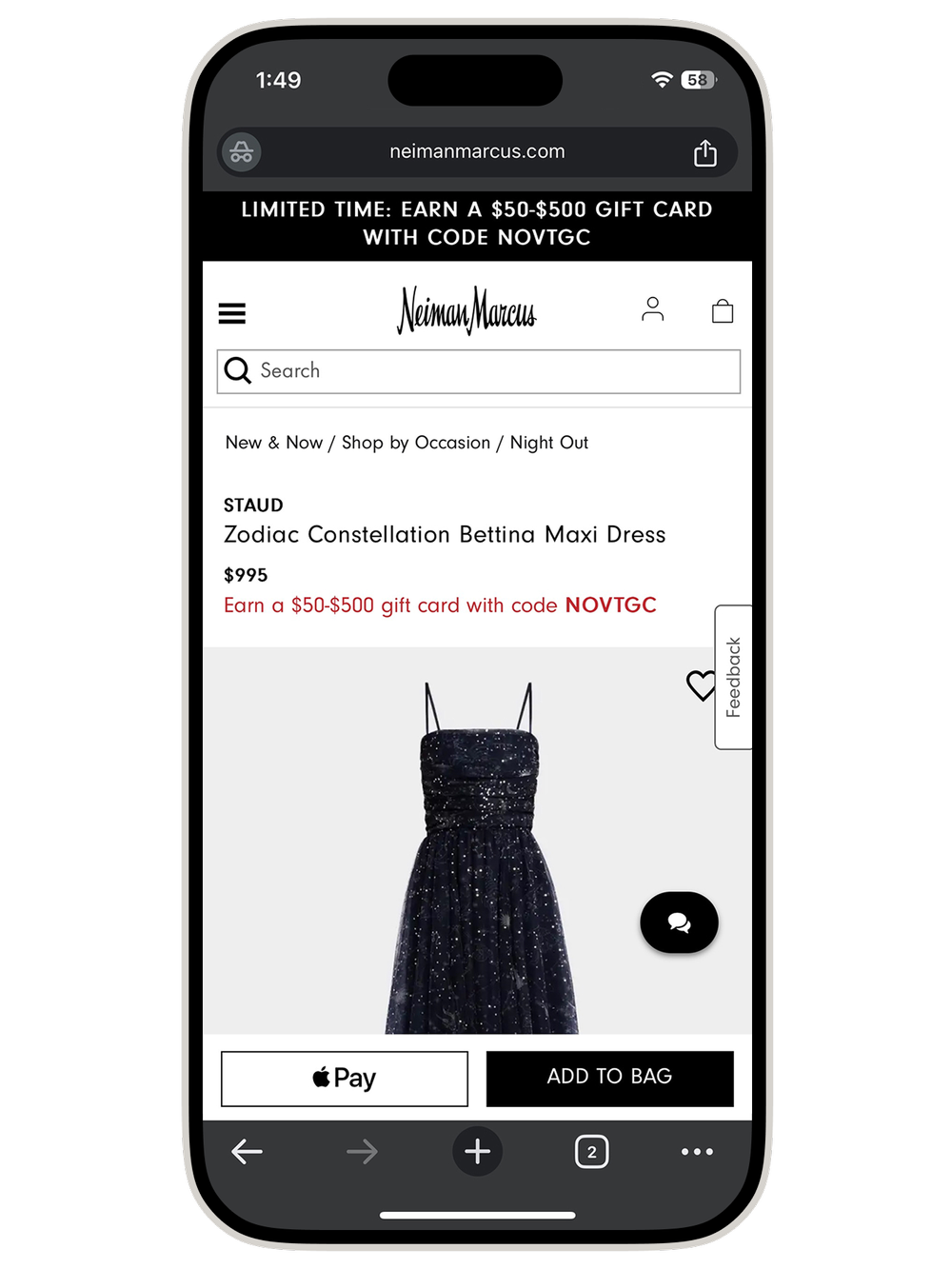
As Senior Manager of Product Design, I led the strategic effort to rethink the mobile PDP shopping journey for both brands. The objective was to revitalize an underperforming mobile funnel that suffered from low Add-to-Bag frequency. Our digital ecosystem was driving a massive 74% of total site traffic via mobile web. Despite this high intent, legacy, oversized global site headers and brand logos were swallowing valuable above-the-fold screen space. This pushed critical product details completely out of view, creating unnecessary friction for luxury buyers who want to focus primarily on the product.
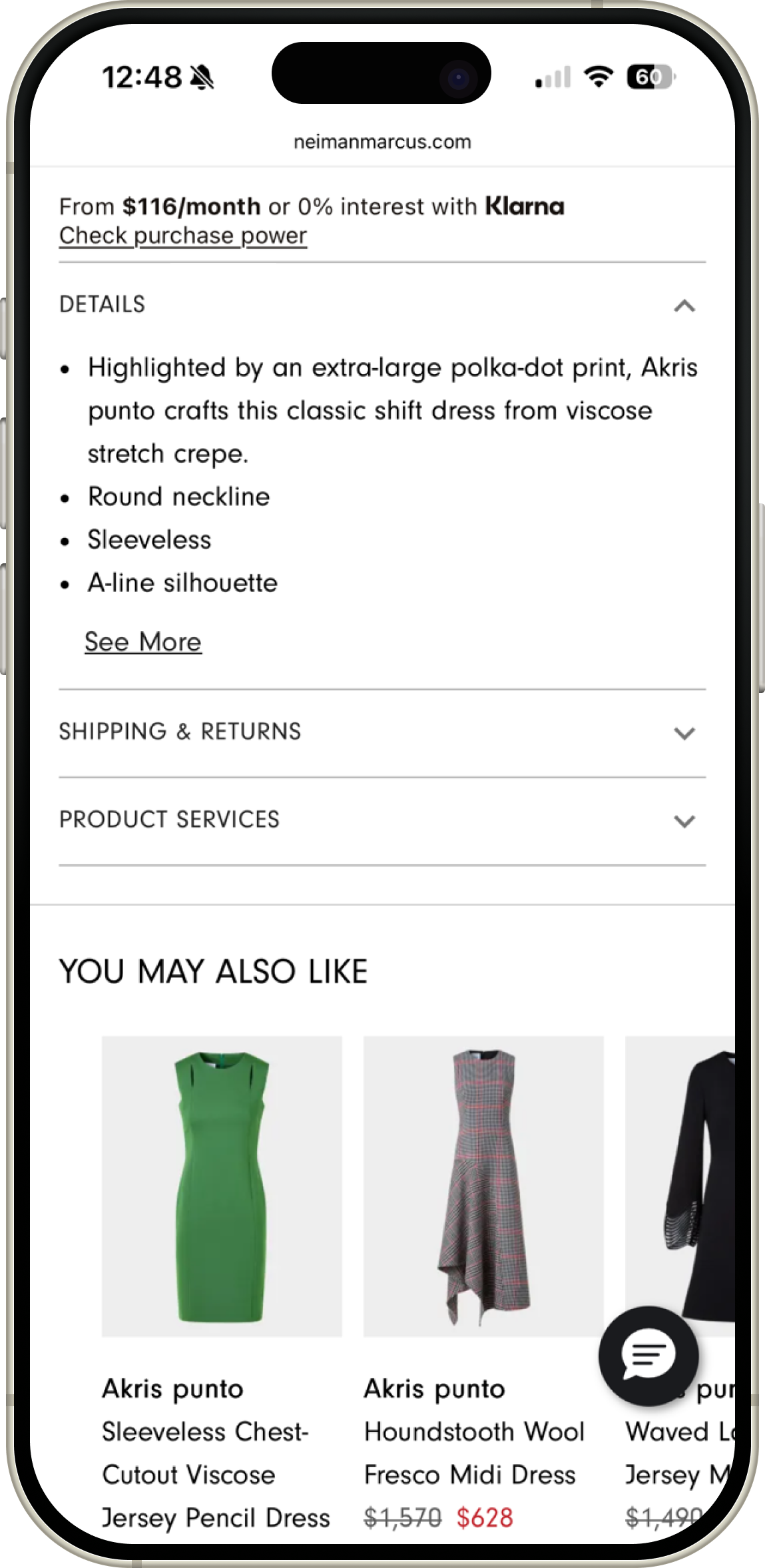
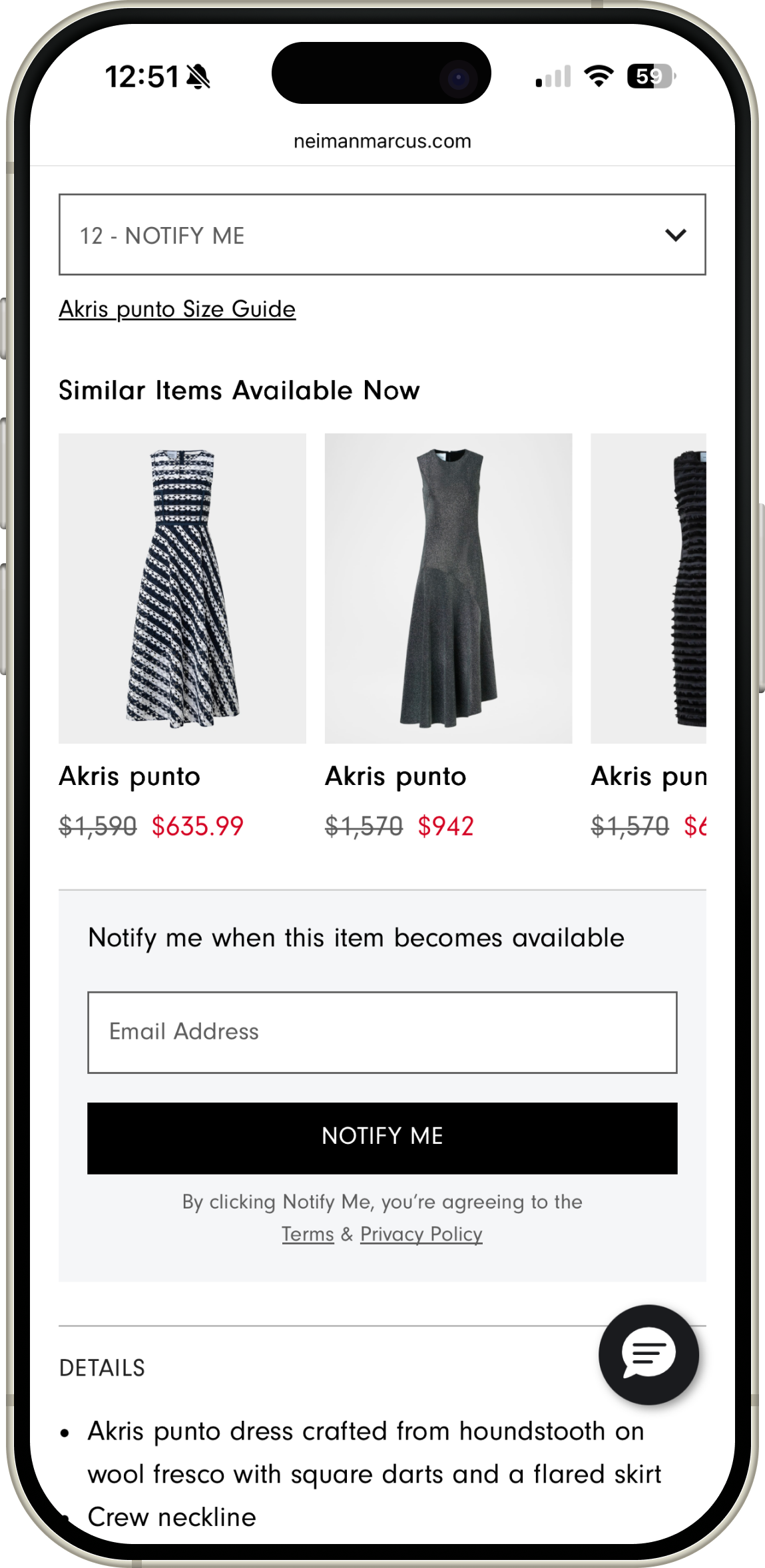
Compounding the issue, the core product information block was dense and unoptimized. Essential details took up excessive real estate, pushing critical product images and primary action buttons completely out of view. This created unnecessary scrolling friction for luxury buyers who want to focus primarily on the product details that matter most.
The Approach
Collaborative Data and Cross-Functional Alignment
To maximize conversion without risking each brand’s distinct visual heritage, I partnered closely with our Product Management team to establish a data-driven, de-risked methodology.
Shared Discovery and Executive Buy-In
Informed Ideation: The PM and I initiated the process by conducting a rigorous competitive benchmarking analysis against global luxury leaders and reviewing historical test data to isolate precise friction points.
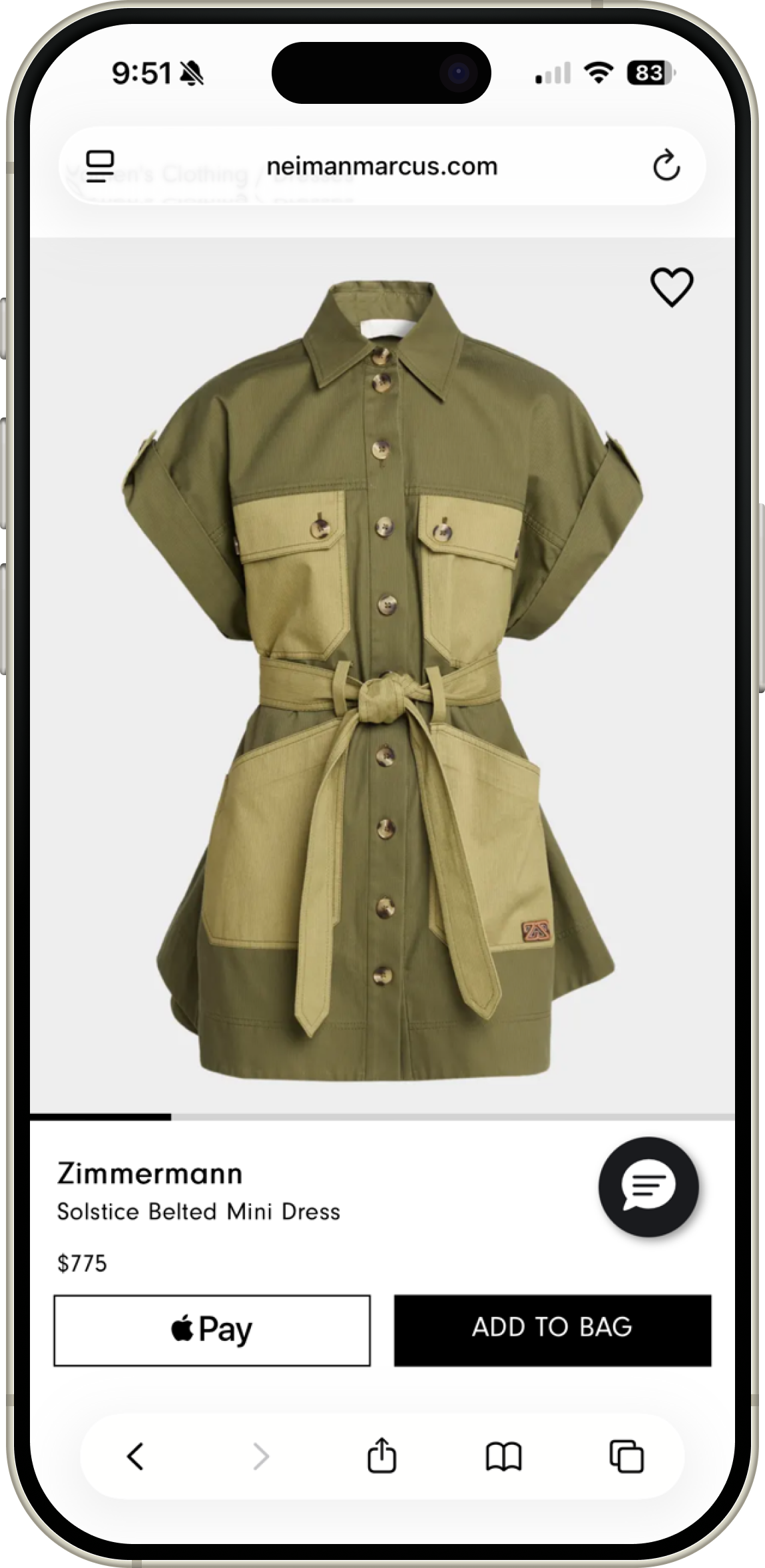
Aligning Brand and Creative: When presenting the need to minimize massive global headers on mobile, I knew I had to speak the language of our creative and brand teams. Instead of framing the conversation around strict data parameters, I framed the design pivot around highlighting the product imagery, which is core to the luxury brand point of view. This approach won total alignment.
Prototyping for Engineering: To ensure the interactive vision was flawless, I developed high-fidelity prototypes demonstrating the precise viewport transitions and sticky call-to-action mechanics. I then stayed deeply embedded with our engineering partners, QAing their development builds step by step until the execution was perfect.
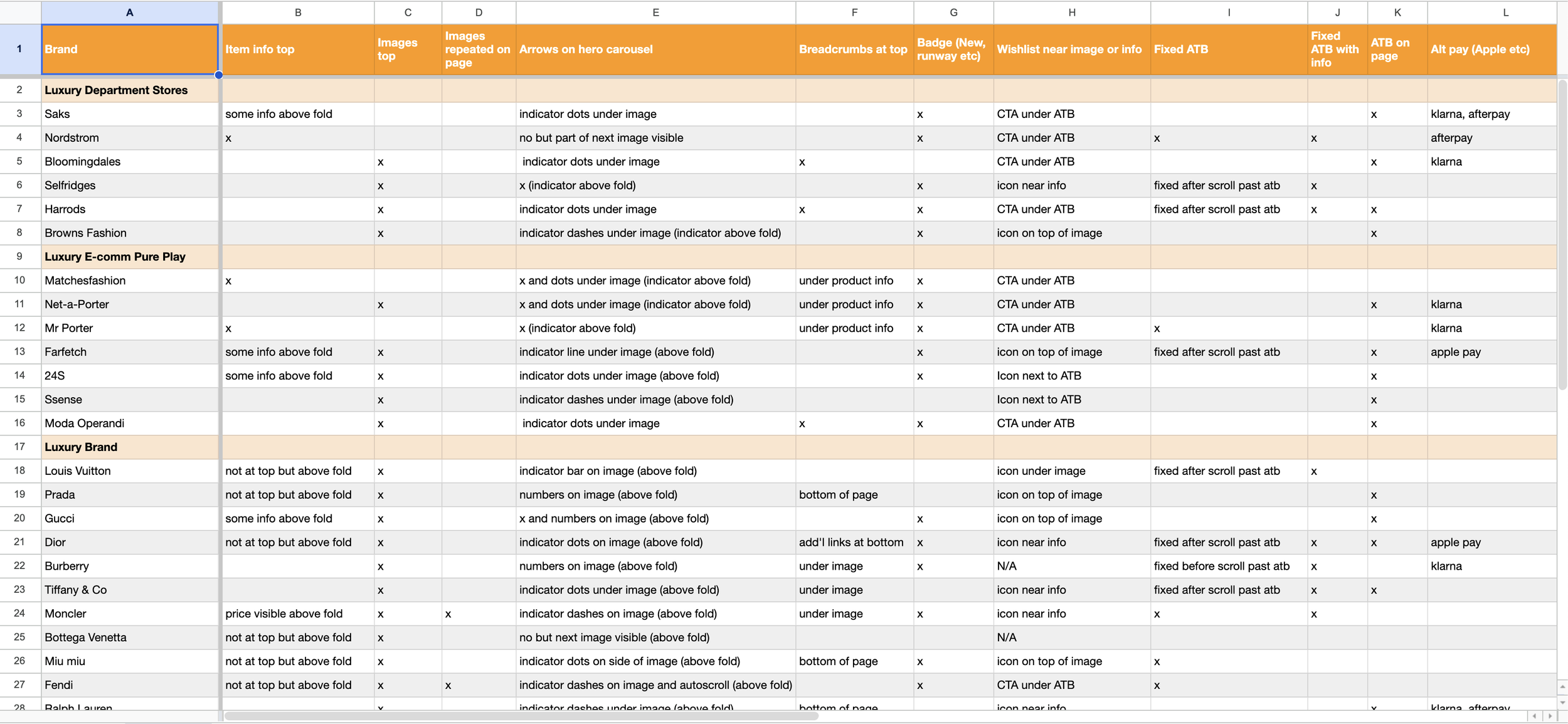
UX Rigor
Mobile Viewports and Usability Principles
Our design solutions were anchored heavily in Nielsen Norman usability heuristics, focusing specifically on Aesthetic and Minimalist Design (Heuristic #8). We systematically stripped away top-heavy visual noise to create a highly focused UI layout.
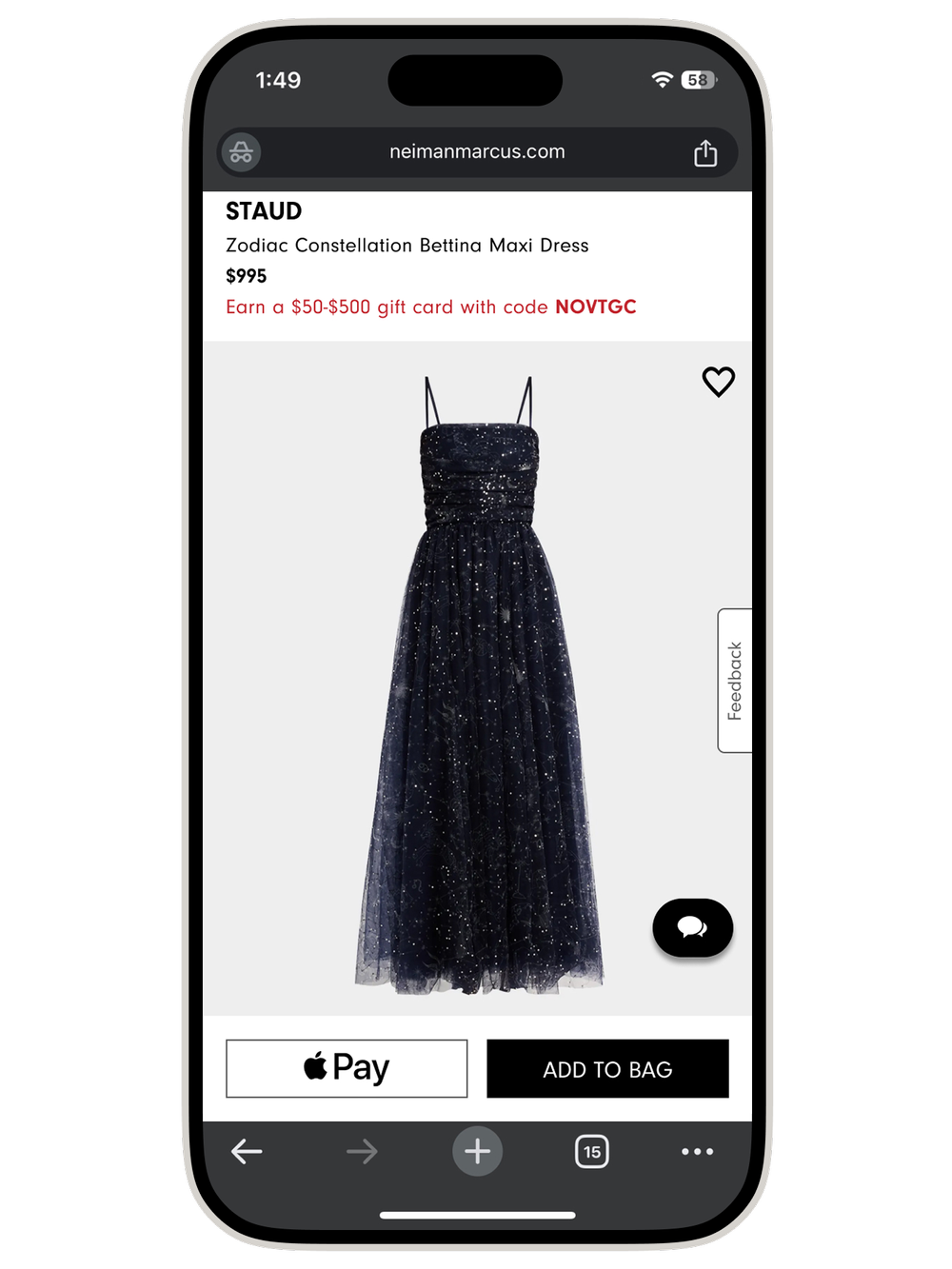
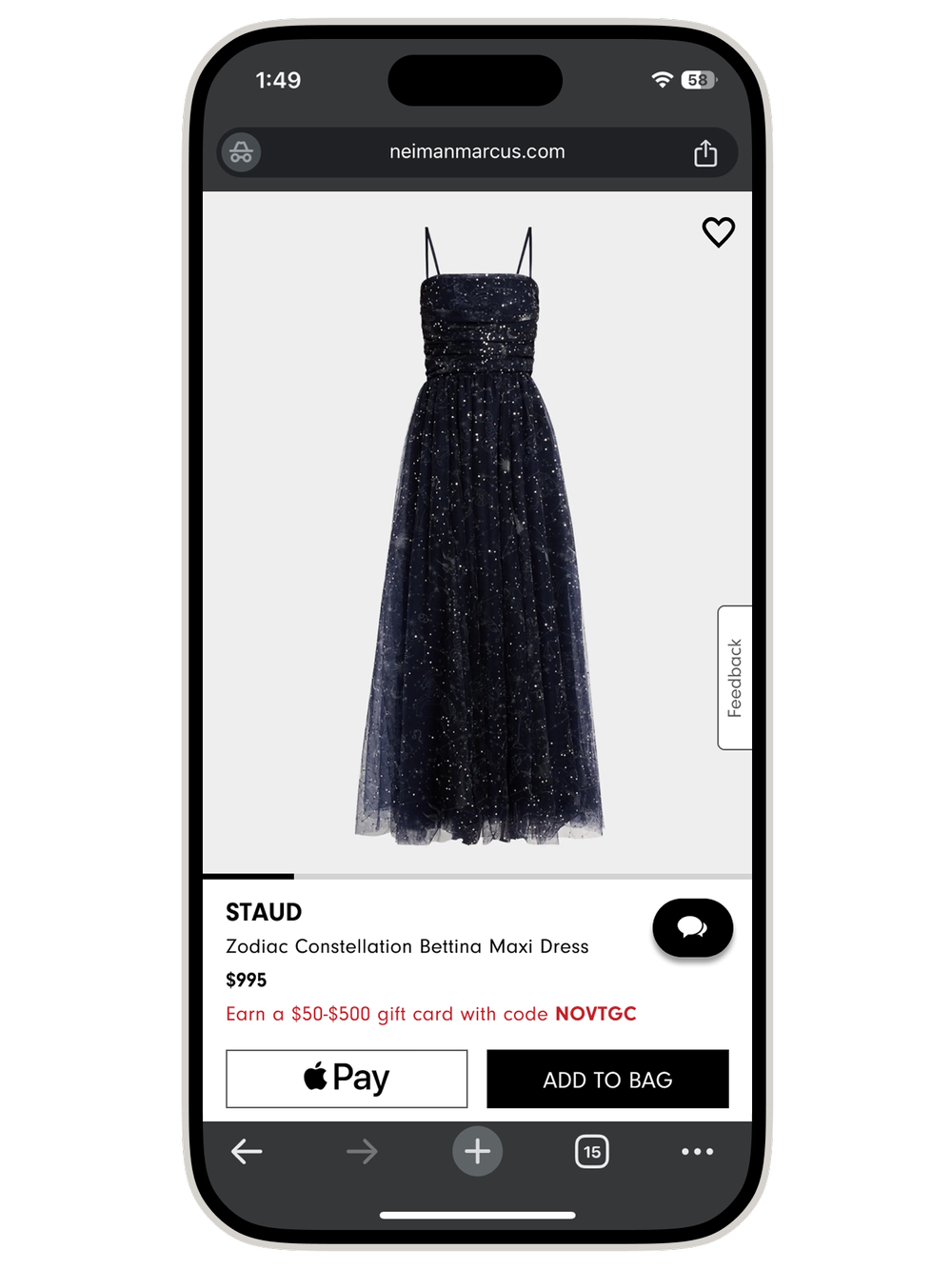
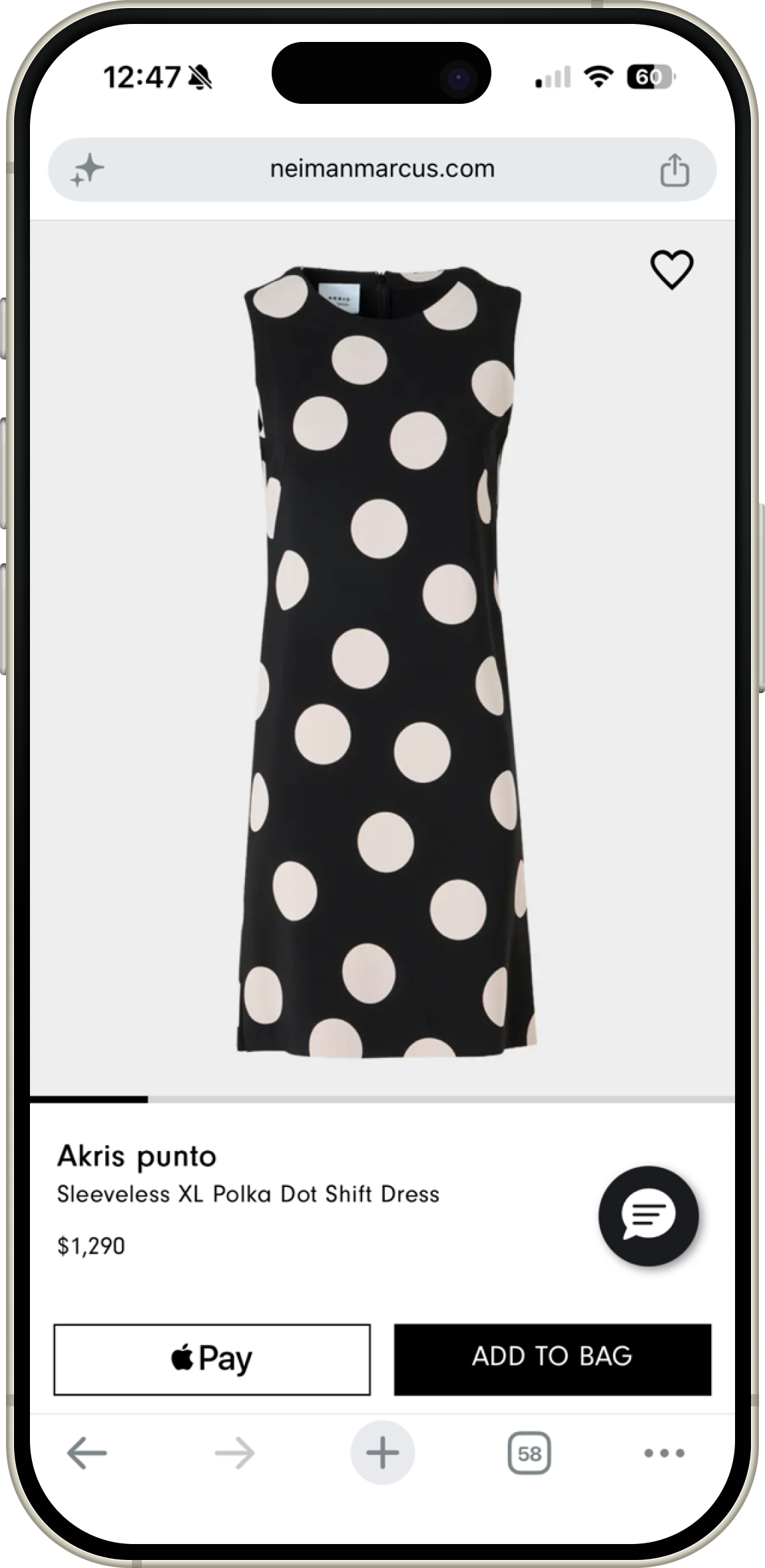
I mapped out comparative user flows detailing the exact viewport differences between the legacy layout and our optimized variations. By dropping users directly at the top of the product image upon page load, we bypassed the global site header entirely. This gave users immediate access to what they came to see. To complement this, we deployed high-prominence sticky conversion mechanics to ensure the Add-to-Bag option remained accessible at all times without interrupting the browsing experience.
Technical and Creative Pivot Points
Designing at an enterprise level means solving unexpected performance and asset hurdles. We encountered two major challenges during this optimization project.
Hurdle 1: Overcoming Page-Load “Jumping” with Dev
During early engineering builds, dropping the user directly at the top of the product image caused a jarring layout shift where elements would visibly snap or jump down the screen as the page loaded. I collaborated intensely with the development team to ensure a thoughtful, elegant transition. We worked through the loading logic to ensure the page rendered smoothly and gracefully from the Product Listing Page to the PDP, keeping the visual focus perfectly centered on the main product shot without performance stutter.
Hurdle 2: The Bergdorf Goodman Image Asset Crisis
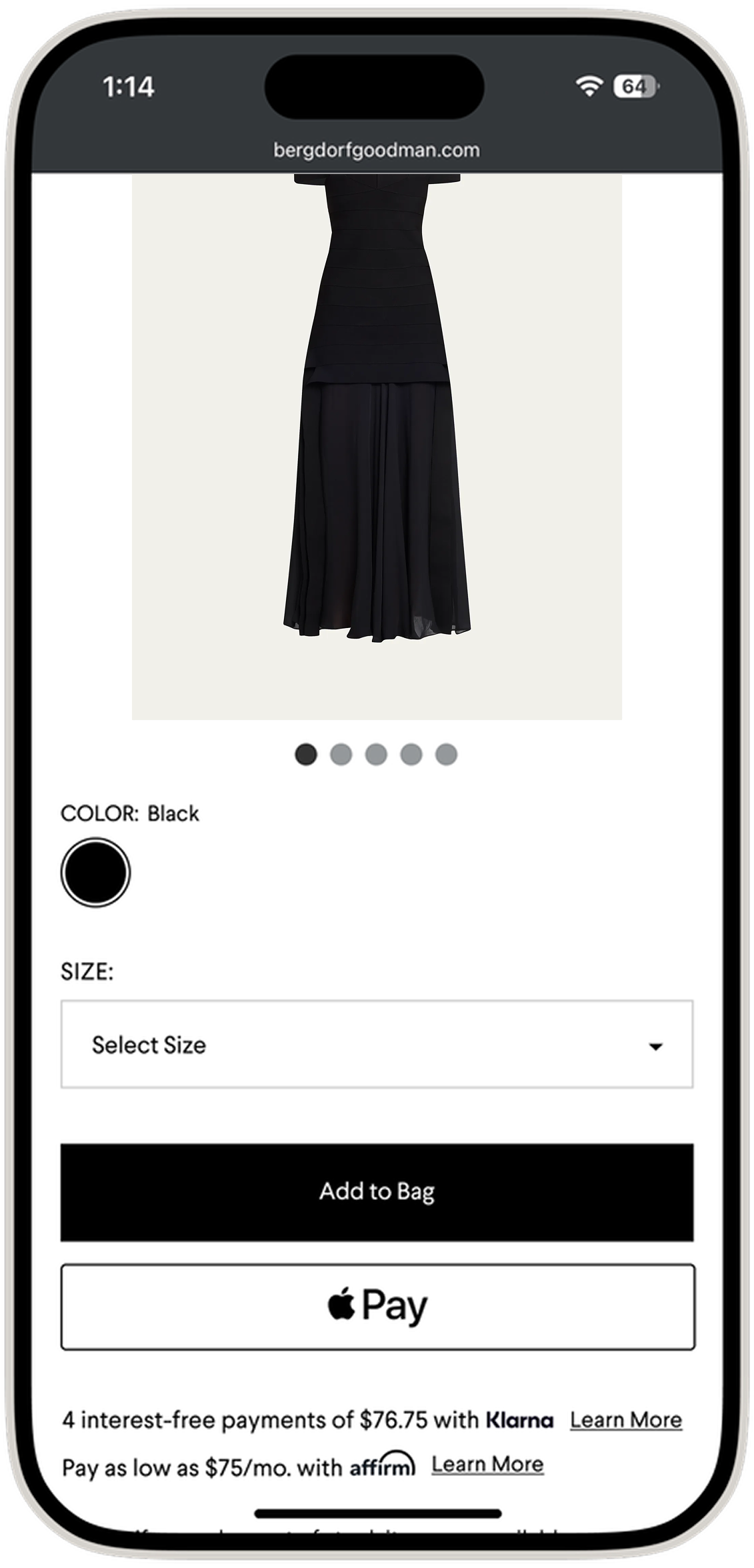
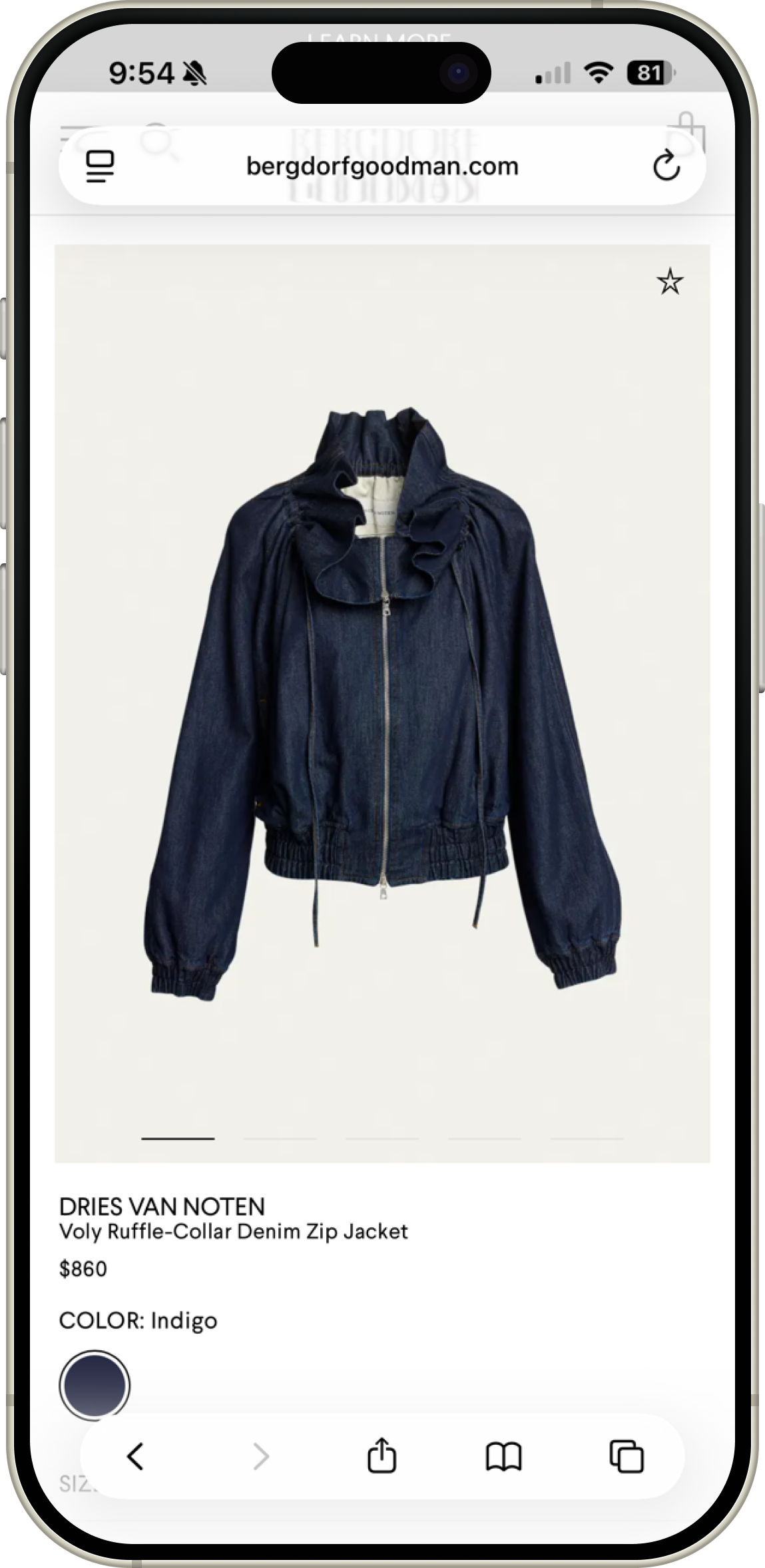
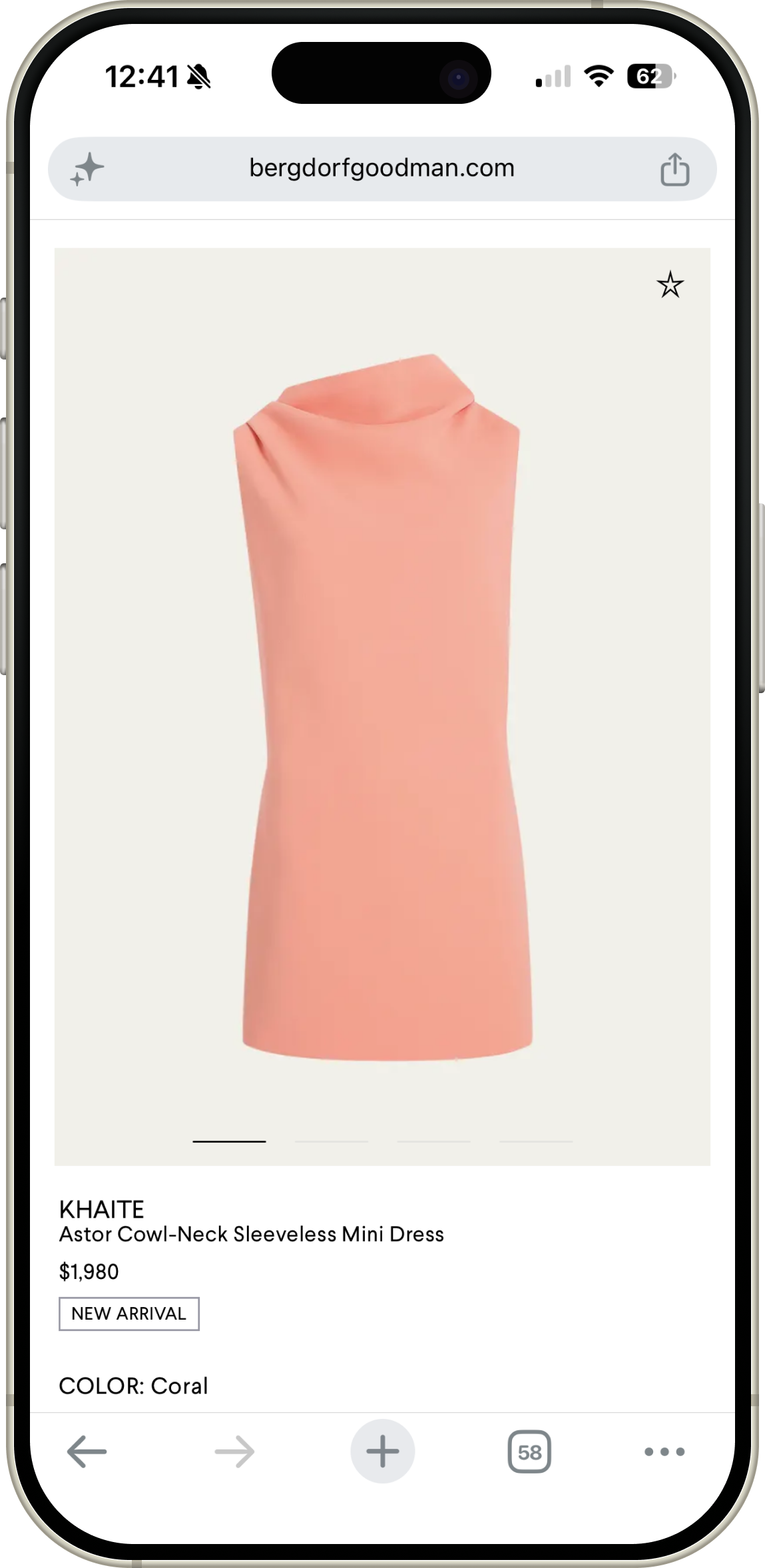
After proving the success of our layout framework on Neiman Marcus, we prepared to scale the concept to Bergdorf Goodman. However, we hit an immediate obstacle. Bergdorf Goodman utilizes a significantly taller, different image ratio and style for its product photography, which threatened to swallow the precious above-the-fold real estate we had just clawed back.
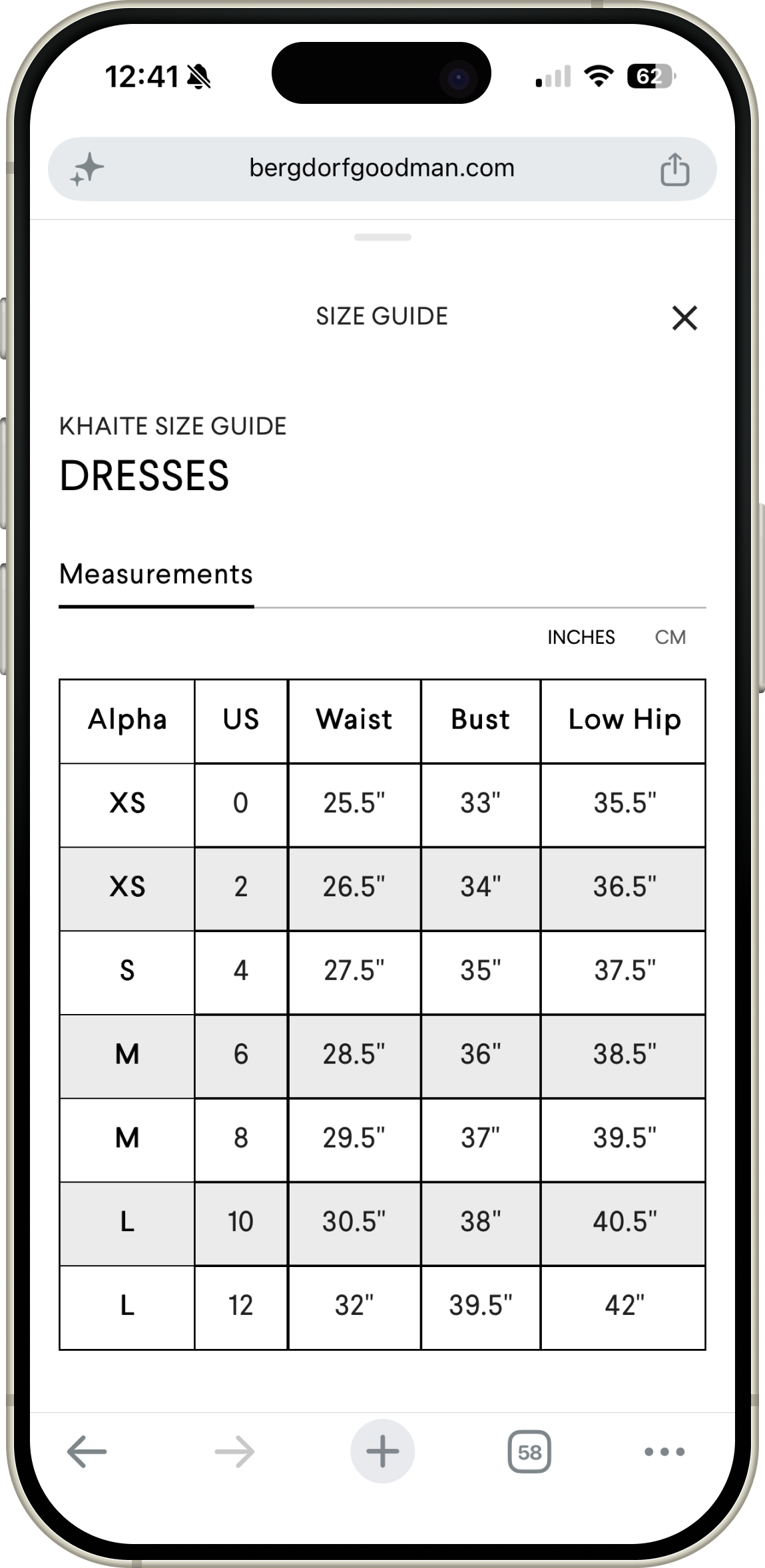
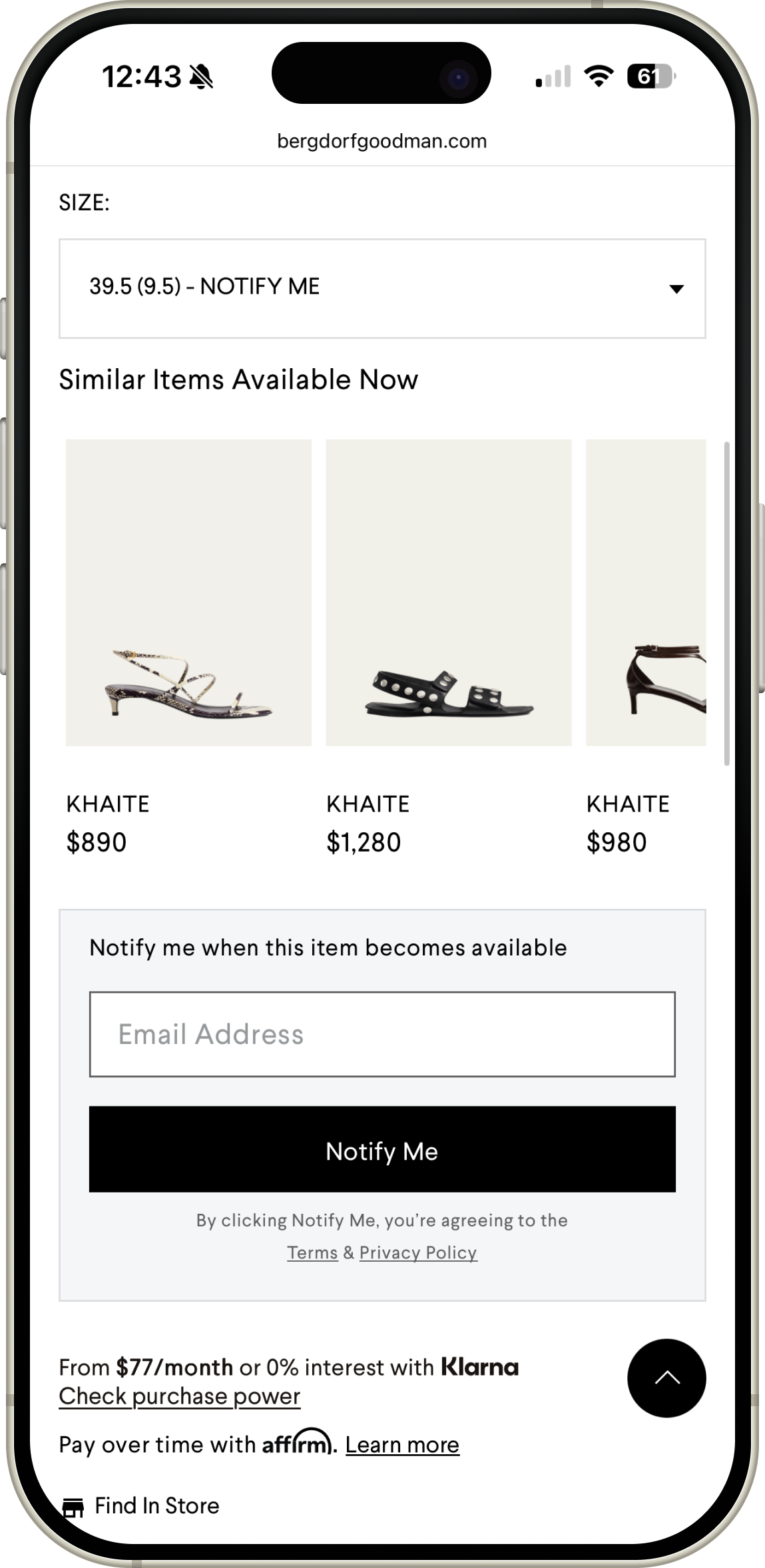
To solve this without forcing the brand to re-shoot thousands of catalog assets, I developed a tailored layout variation. We created an equal white frame around the imagery instead of a full bleed layout. This perfectly satisfied the creative team’s high-end editorial aesthetic while successfully allowing the browser to land right at the top of the image container.
Impact and Results
$7.6M - $17.3M
FY25 Incremental Demand Range generated across the multi-brand e-commerce ecosystem.
+0.5% to +1.0%
Mobile CVR Lift achieved across both sites.
By translating historical testing data into a highly scalable, minimalist mobile web template, we proved that core UX logic can drive massive enterprise revenue while fully protecting the integrity of distinct luxury brand expressions.
Significant Conversion Growth: Successfully delivered a baseline site mobile conversion lift of +0.5% to +1.0% for Neiman Marcus and a basis point lift of +1.0% to +3.0% for Bergdorf Goodman.
Ruthless Optimization of Real Estate: Effectively balanced high mobile traffic volume (74%) with immediate purchasing behavior, increasing above-the-fold immersion by optimizing immediate image visibility.
Elevated Core Funnel Health: Maximized immediate purchase consideration across the ecosystem, driving an upward trajectory in immediate Add-to-Bag velocity, Average Order Value, and Units Per Visit.
Scaled a Shared Architecture: Provided the enterprise with a validated, high-performance responsive web template that successfully minimizes engineering redundancy for future multi-brand catalog expansions.
Next Case Study:
Tiffany & Co.
Bypassing Choice Paralysis Through Fast Track Discovery →